Black History
Resources about Black Disability History
Black Disability History is Black History, Too!
12 Black Disabled Activists and Advocates You Need to be Following this Black History Month
17 Impactful Black Disability Activists and Advocates
The Untold Origins of the Black & Blind Musician
BIPOC Disability History Timeline from the Mid-Atlantic ADA Center
Names to know
Black disabled people have always been part of Black history, disability history, and movements for social change. The people below represent a range of experiences, including activism, art, music, law, and community leadership.
Maya Angelou
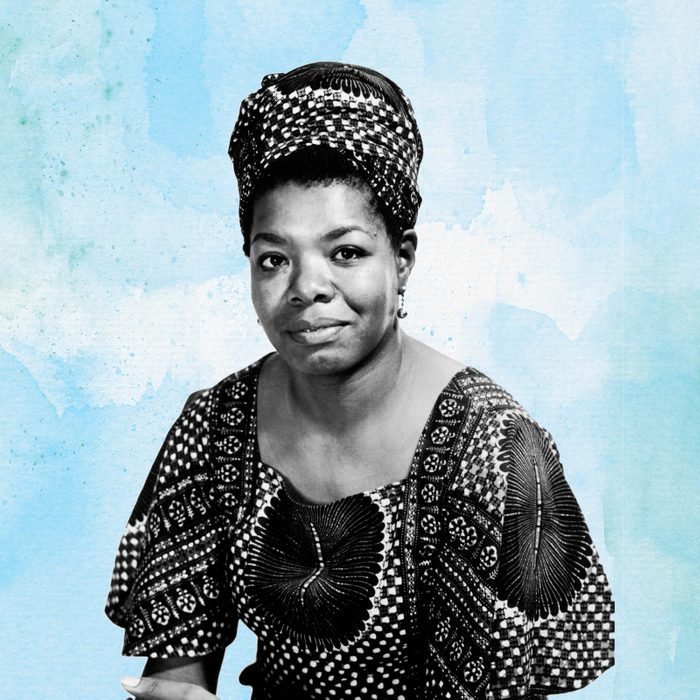
Many know Maya Angelou as a poet and author, and even her traumatic childhood, but it’s important to recognize her experience with disability as well. As a result of trauma, Maya Angelou stopped speaking for five years during childhood. This experience is now understood as selective mutism.
Maya Angelou Lesson - In this read-aloud of a picture book version of Maya Angelou’s “Life Doesn’t Frighten Me”, students will learn about and discuss fear, what it means to be brave, and how to cope when feeling scared. Students will learn about Maya Angelou and selective mutism, which is an anxiety disorder that Maya Angelou experienced for 5 years during adolescence.
Dennis Billups - disability rights activist who helped lead the 1977 Section 504 Sit-In in San Francisco
Known as the “Chief Morale Officer” during the 504 protest, he helped build community among activists through organizing, encouragement, and connection.
“Dennis Billups: he helped lead a long, fiery sit-in – and changed disabled lives” Guardian article.
Anita Cameron - disability rights advocate and activist, has moved the country closer to justice through her civil rights activism.
My Itty Bitty Bio - Anita Cameron - grades K-1
In This Moment (ITM) chapbook elevates the contributions, stories and images of local Black leaders, and writers. This ITM Chapbook about Anita Cameron is available in pdf and audio format for free - grades 5 - 12
Disability Conversations: Anita Cameron - On July 26, 2021 - the 31st anniversary of the passage of the Americans with Disabilities Act - DEE spent some time talking with Disability activist, Anita Cameron.
Lois Curtis
Lois Curtis was an artist and the lead plaintiff in the United States Supreme Court case known as the Olmstead Decision. The Court held that the unjustified segregation of people with disabilities was discrimination under the Americans with Disabilities Act. Curtis’s advocacy helped advance the rights of disabled people to live in their communities.
Smithsonian video about Lois Curtis, Elaine Wilson and the Olmstead Act
Claudia Gordon - disability rights advocate and attorney,
She became the first Black deaf woman attorney in the United States, serving as a Special Assistant to President Barack Obama’s administration. Gordon’s advocacy has focused on deaf rights, disability civil rights, and ensuring that disabled people have meaningful access to education, employment, and government services.
“Human Rights Hero: From Hurdling Barriers to Removing Them for Others: Claudia Gordon” American Bar Association article
Fannie Lou Hamer - civil rights leader, voting rights activist, and organizer
Hamer experienced significant health impacts throughout her life, including disabilities resulting from medical mistreatment and violence connected to racism. She became a powerful organizer, helping lead voter registration efforts in Mississippi and fighting for racial and economic justice.
Celestine Tate Harrington
Celestine Tate Harrington was a Philadelphia and Atlantic City street musician who was born with a disability that affected the use of her limbs. In 1975, Tate Harrington won a custody battle against the Philadelphia Department of Child Welfare, which sought to take away her infant daughter, claiming that she could not provide adequate care. Her fight to be a mother and earn an independent living was a revolutionary act.
Celestine Tate Harrington - PBS Renegades Lessons
Renegades is a series of five 12-minute short films showcasing the lives of diverse, lesser-known historical figures with disabilities, exploring not only their impact on and contributions to U.S. society, but also the concept of disability culture, which honors the uniqueness of disability. These lessons were designed to be used with the videos. They can be used individually or as a unit.
Henry Heard - tap dancer and disability advocate
Henry “Crip” Heard was a Black tap dancer who performed in Black vaudeville theaters and nightclubs during the 1940s and 1950s. After losing his right arm and right leg in a train accident, Heard continued his dance career, performing with a crutch as part of his act and challenging assumptions about what disabled performers could do. He later advocated for people with disabilities, speaking about employment opportunities, independence, and the importance of recognizing the abilities of disabled people.
Blind Willie Johnson - blues musician and singer
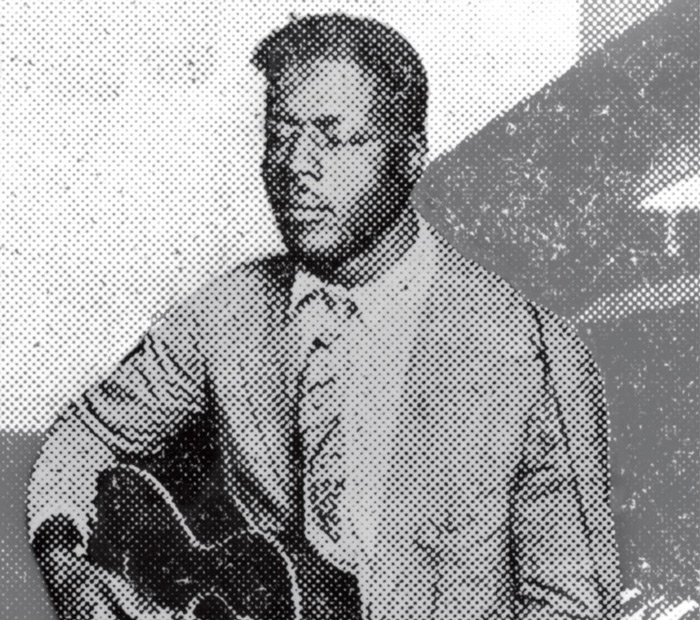
Blind Willie Johnson was a Black blues musician and singer whose recordings became some of the most influential gospel blues recordings of the early 20th century. Blind from childhood, Johnson performed throughout Texas and recorded music that later influenced generations of musicians. His life and music highlight the important contributions of blind artists to American culture and music history.
Blind Willie Johnson Lesson Plan
Johnnie Lacy - disability rights activist and leader in the Independent Living Movement.
Lacy had cerebral palsy and became one of the first Black leaders in the movement for community-based living and disability rights. She became the first director of the Center for Independent Living’s Community Resources for Independent Living program in Berkeley, California. She advocated for disabled people’s right to make their own choices, live in their communities, and have control over their lives. Her work also highlighted the importance of addressing racism within disability organizations and ensuring that disability rights movements include disabled people from all communities.
Johnnie Lacy oral history on the independent living movement in the Bay Area by UC Berkeley
Brad Lomax - how he and the Black Panthers helped the 504 Sit-In
Overlooked No More: Brad Lomax, a Bridge Between Civil Rights Movements - The story of a Black Panther Party member and founder of the East Oakland Center for Independent Living, who had multiple sclerosis and used a wheelchair. Explore Brad Lomax’s under-reported contributions to the early disability justice movement, which laid the groundwork for the 1990 Americans with Disabilities Act.
Brad Lomax: Creating Communities of Care
Brad Lomax - PBS Renegades Lessons
Renegades is a series of five 12-minute short films showcasing the lives of diverse, lesser-known historical figures with disabilities, exploring not only their impact on and contributions to U.S. society, but also the concept of disability culture, which honors the uniqueness of disability. These lessons were designed to be used with the videos. They can be used individually or as a unit.
Leroy F. Moore Jr. - writer, poet, artist, and disability justice activist
Moore co-founded Krip-Hop Nation, an organization focused on elevating the voices of disabled musicians and artists, and created Black Disabled Art History 101, which highlights the work of Black disabled artists throughout history. His work challenges the exclusion of Black disabled people from both disability history and Black history.
Harriet Tubman - abolitionist, Underground Railroad conductor, and activist
Harriet Tubman was an abolitionist, Underground Railroad conductor, and activist who helped many enslaved people escape to freedom. After a traumatic brain injury caused by violence while she was enslaved, Tubman experienced lifelong disability, including seizures, pain, and periods of unconsciousness. She continued her work fighting slavery, supporting the Union during the Civil War, and advocating for freedom and equality. Recognizing Tubman as a disabled person is an important part of understanding both Black history and disability history.
We Owe It to Harriet Tubman to Talk About Her Disability Podcast by ACLU
“How Harriet Tubman’s Disability Helped Shape Her” article by Psychology Today
Thomas Wiggins
Thomas Wiggins: Composing the Future - An African American composer and pianist known as one of the greatest musicians of the 19th century, Thomas Wiggins (1849-1908) was blind from birth. Historians and disability scholars have suggested that Wiggins may have also been autistic. Although born into slavery, Wiggins was the first African American to perform at the White House, and toured throughout the U.S., South America, and Europe.
Thomas Wiggins - PBS Renegades Lessons
Renegades is a series of five 12-minute short films showcasing the lives of diverse, lesser-known historical figures with disabilities, exploring not only their impact on and contributions to U.S. society, but also the concept of disability culture, which honors the uniqueness of disability. These lessons were designed to be used with the videos. They can be used individually or as a unit.
Lesson Plans and Resources