Don’t Call Me Special: Reading and Discussion
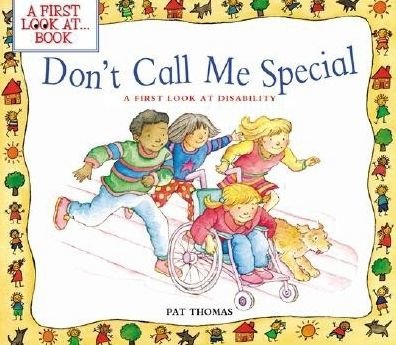
This is an introductory lesson on physical disability using the book “Don’t Call Me Special” by Pat Thomas. The educator will read aloud the book and ask questions about the text. Students will learn about making assumptions and what physical disability can look like, as well as how equipment can help students with disabilities access all parts of their life.
Image description: cover art for the book “Don’t Call Me Special”

Dots: An Introduction to Braille Lowercase Letters
This is a fun way to introduce the braille alphabet in English (Grade 1 braille) to young learners. Sighted and blind learners will use an exploration of braille to reinforce their knowledge of lowercase letters. This activity can also give students, sighted and blind, a fun way to explore sight words.
Image description: Hand moving over a text in braille

Easterseals Short Films Lesson Plan
Students will review the social model of disability and then apply it to 4 short films created for the Easterseals Disability Film Challenge. “The Easterseals Disability Film Challenge gives filmmakers—with and without disabilities—the opportunity to collaborate to tell unique stories that showcase disability in its many forms (disabilityfilmchallenge.com).” Students will watch the 4 winning films, and then break into groups to focus on analyzing one film as a group.
‘Emmanuel’s Dream’ Lesson Plan
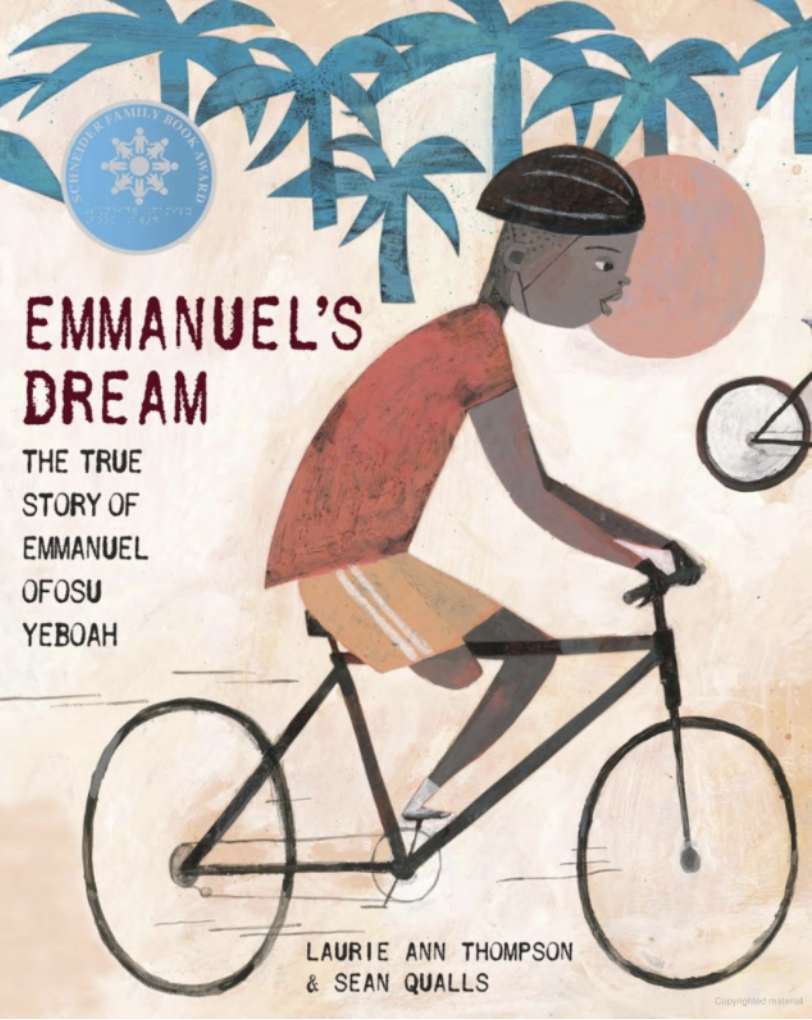
Students will read ‘Emmanuel’s Dream’ by Laurie Ann Thompson, the true story of Emmanuel, a boy from Ghana who could only use one leg. Students will then complete a worksheet with a blank tshirt on it where they will write a word or phrase about how they are different but they are proud of that difference.
Image description: Cover image for “Emmanuel’s Dream”
Equity is Essential: Working to Achieve Access for All Lesson
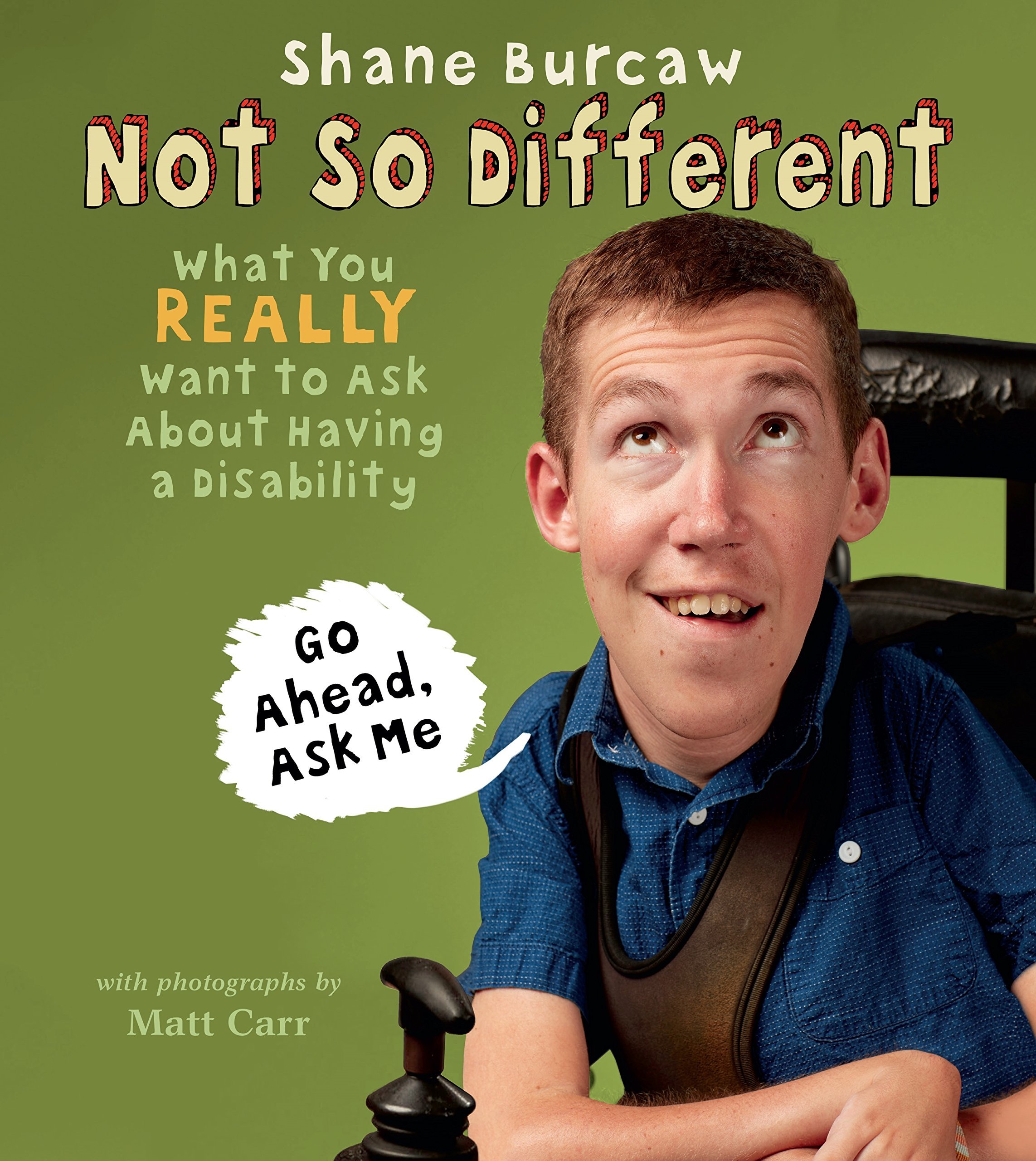
Students will read Not So Different: What You Really Want to Ask About Having a Disability by Shane Burcaw and consider what it means to have a disability, what inclusion means and how to create a more accessible world.
Image description: Cover for the book “Not So Different: What You Really Want to Ask About Having a Disability”

Everyone Spoke Sign Language - The Chilmark Deaf Community
In this lesson, students consider how people communicate when they do not speak a common language. The Chilmark Deaf Community serves as a case study to engage with the wide variety of languages spoken on the Island (presently and in the past). From 1694 to 1952, Martha’s Vineyard - and specifically the towns of Chilmark and West Tisbury - had an unusually large population of people with hereditary deafness. As a result, the residents of the Island developed a local dialect of sign language, used by hearing and deaf people alike, allowing the Deaf community full and unbiased integration into Island society at large. Scientists and researchers studying the causes of deafness took great interest in Martha’s Vineyard because of deafness’ prevalence there.
Image Description: A mural with 4 simplistic cartoon-style characters drawn in black on a light tan background using sign language, movements are shown with arrows. There is foliage at the bottom and a brick wall at the top of the photograph.

Exploring Nancy Polette’s “The Spy with the Wooden Leg: The Story of Virginia Hall” with the help of a reading journal
The students will learn how to use a reading journal to aid their exploration of a biography “The Spy with the Wooden Leg: The Story of Virginia Hall” which will be read as a class and individually. This reading will be slow in order to help support students’ discovering how to read, process, and reflect upon biography in the form of a chapter book and use this information to enrich their study of History. Many aspects of this lesson are flexible and can be adapted to the needs of your students.
Some themes of war may be difficult for some students, it is recommended that no new difficult content be introduced on a Friday or before a long break so that the class can have the support they need as they learn about these difficult themes.
Image Description: cover of the book “The Spy with the Wooden Leg: The Story of Virginia Hall By Nancy Polette”
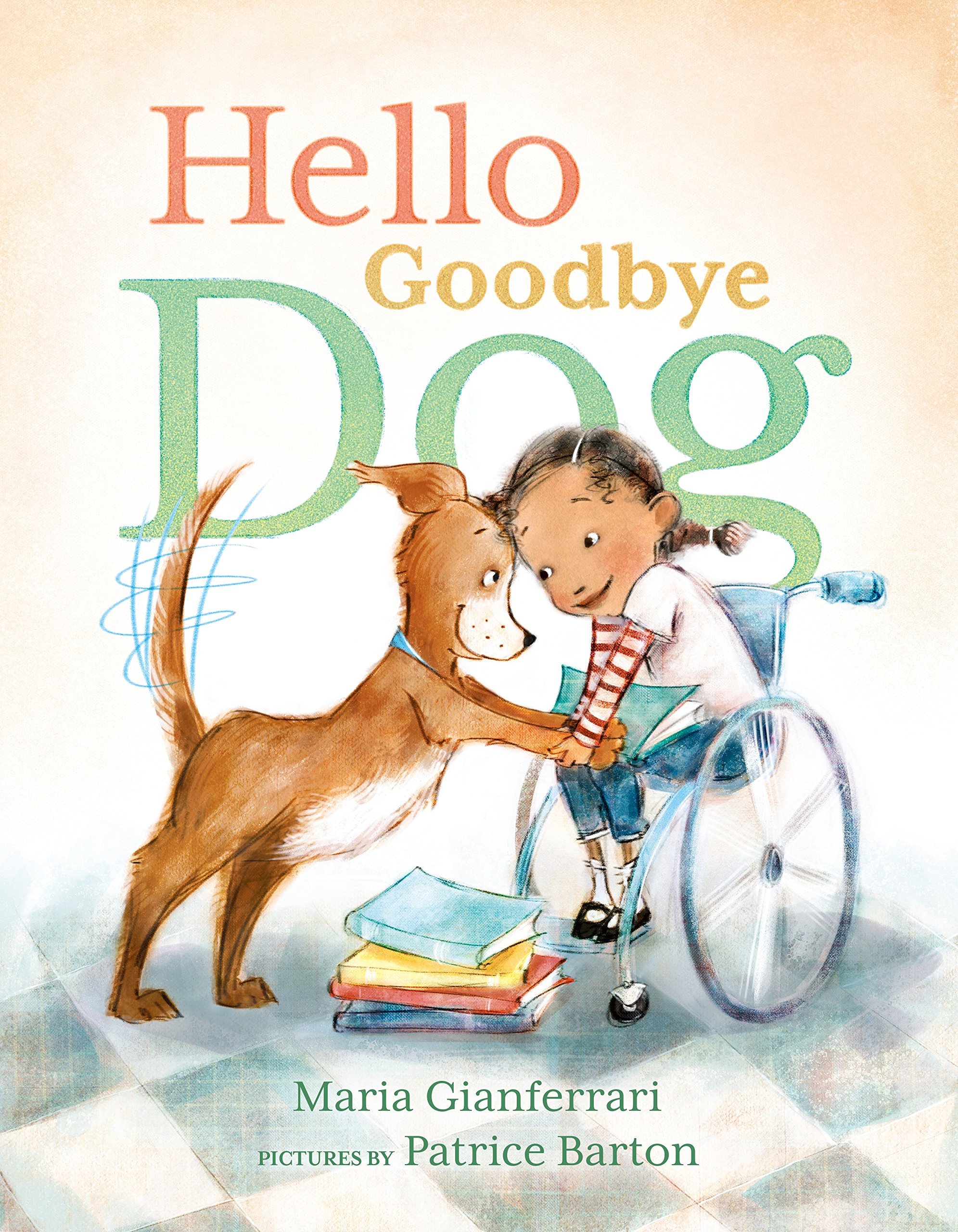
Hello Goodbye Dog: Reading about Service/Therapy Dogs and their Important Jobs
Students read Hello Goodbye Dog by Maria Gianferrari and read a short article about how a shelter dog helped a boy with epilepsy to live a safer and more fulfilling life.
Image description: Cover art from the book “Hello Goodbye Dog”

Hephaestus - Greek Mythology
Students will read about Hephaestus. After reading each passage, they will be able to reflect and write about how Hephaestus is portrayed in that specific passage. Using evidence from each passage, the students must justify their opinions.
Image description: Statue of Hephaestus
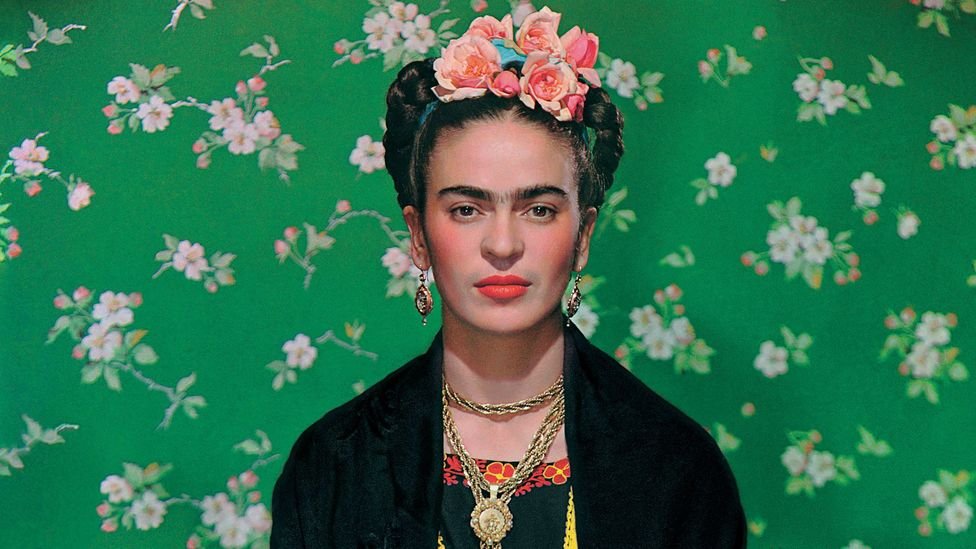
Hispanic Heritage: Frida Kahlo (Intersectionality of Ableism, Creativity and Feminism) Lesson
Frida Kahlo (1907 - 1954) was a Mexican artist who was influenced by the Mexican Revolution. She experienced a disability at two times in her life. Her determinism helped her cope with the pain of overcoming polio, a difficult marriage and bus-trolley accident. Frida Kahlo’s curiosity and love for nature were often the subjects of her paintings. Known as the “mother of the selfie,” Frida also created more than 200 paintings of herself. This unit of lessons is to recognize the creativity and imagination of Frida Kahlo.
Image description: Photograph of Frida Kahlo against a green floral background

How to be a Kind Helper Lesson
This lesson teaches students the qualities of being a Kind helper and how to put them into practice. Students will listen to a person with a disability and their personal assistant about what it means to be a Kind helper. After the talk, students will have a chance to ask questions about helping. Students will learn that open communication is key to a Kind helper relationship. Students will learn that a person with a disability can live full productive lives with the help of their personal attendant.
Image description: 9 raised hands with the words “How to be a Kind Helper”

I Deaf-initely Can, Rhett the Heeler
In this lesson, the teacher will read I Deaf-initley Can, Rhett the Heeler, a book about a Deaf girl who adopts a Deaf dog and teaches the dog sign language. The book shows the story from Rhett’s perspective of being chosen into Karlie’s family and learning about the world through sign language.
For discussion, students will think about other methods of communication. The takeaway message for students is that people (and dogs!) can communicate in many different ways—and all of them are valid.
Image Description: Cover of the book “I Deaf-initely Can - Rhett the Heeler” shows a girl and a dog sitting side by side on the grass facing away from us, looking at one another. There is a brown mountain range and sunset in the distance.

Interdependence Lesson
This lesson will help students understand that we are all interdependent on each other.
Image description: stones leaning against one another forming an arch
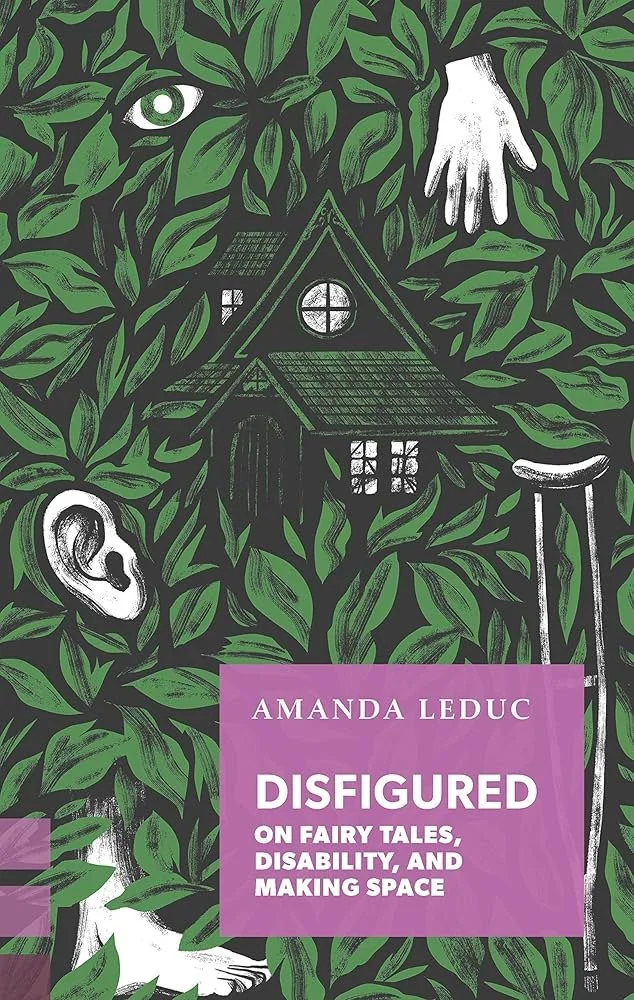
Into the Woods: Exploring Disabilities in Fairy Tales and Classic Stories
Using Amanda Leduc’s book “Disfigured: On Fairy Tales, Disability, and Making Space,” as inspiration students will consider different representations of disability in fairy tales and classic stories. They will watch an interview and a reading with Leduc, read 2 texts referenced in her book and learn to identify issues with how disabled people are presented and stereotyped. Students will produce two written assignments. One is an update to a classic story (either Beauty and the Beast or the Little Mermaid); the students will rewrite the classic tale to center and honor experiences of all bodies and abilities. The second assignment is a choice assignment. Students will either rewrite a second tale, or write a 1 page autobiographical story in the style of a fairy tale.
Image Description: The cover of the book “Disfigured: On Fairy Tales, Disability, and Making Space” by Amanda Leduc

It Feels Like Spring: How We Experience the Seasons Through Our Senses
After listening to the book, “Naomi Knows It’s Springtime” by Virginia Kroll, the students will consider how Naomi experiences springtime, and how they experience springtime with the senses they have. Then, they will further explore the tactile experience of springtime objects combined with a Math lesson.
Image description: Cover of the book “Naomi Knows It’s Springtime" showing a grassy field, someone pushing a lawnmower in the background, a girl with braided hair and a dog to her side, tail in the air, facing us seated at a garden
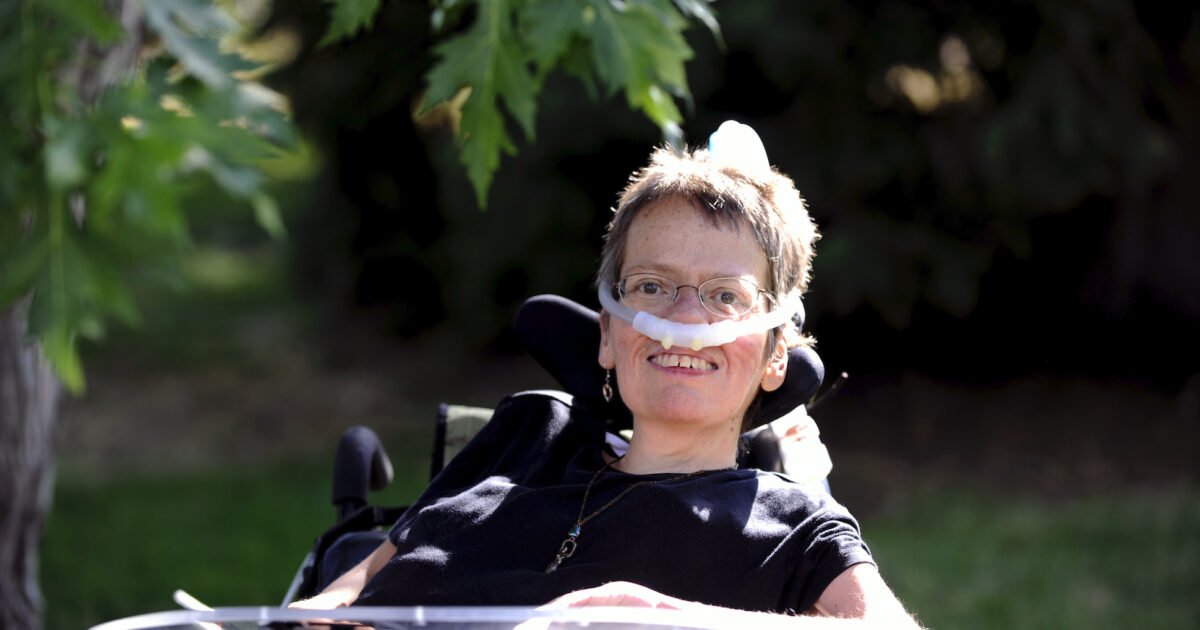
Laura Hershey Poetry Lesson: “You Get Proud By Practicing”
Students will analyze Laura Hershey’s poem, “You Get Proud By Practicing.” A poet, author, and activist, Laura Hershey first published the poem in 1991. To better understand its context, students will learn about neuromuscular diseases, disability activism in the 1980s, and the passing of the Americans with Disabilities Act of 1990 (ADA). Students will then analyze the poem for repetition and figurative language and understand what Hershey suggests it means to get proud. After discussing the poem, students will write and share their own poems about getting proud using those literary devices.
Image description: photo of Laura Hershey
Maya Angelou Lesson
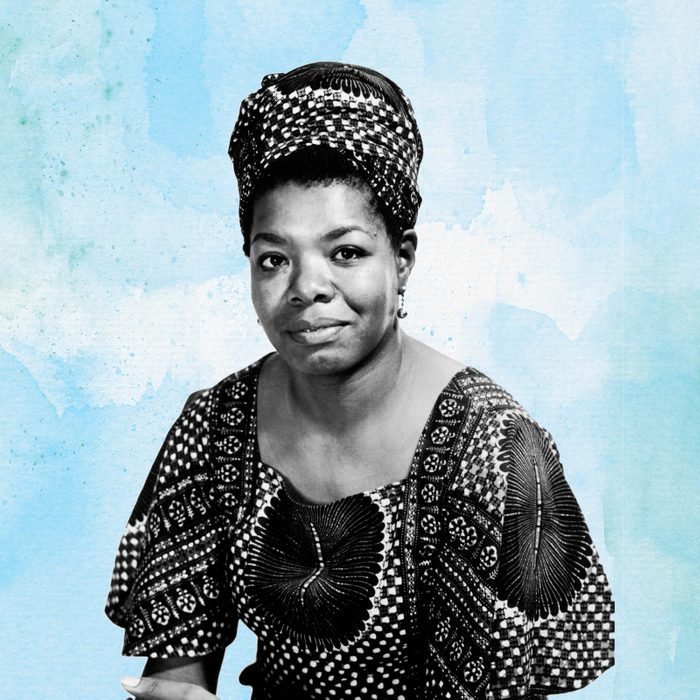
In this read-aloud of a picture book version of Maya Angelou’s “Life Doesn’t Frighten Me”, students will learn about and discuss fear, what it means to be brave, and how to cope when feeling scared. Students will learn about Maya Angelou and selective mutism, which is an anxiety disorder that Maya Angelou experienced for 5 years during adolescence.
Image description: Sketch of Maya Angelou

Mechanical Engineering: Wheels and Gears - How One Invention Can Lead to Another featuring Ralph Teetor
This lesson is a STEM lesson followed by a History lesson with an ELA activity. The STEM lesson explores basic concepts of mechanical engineering and physics while showing that the parts, knowledge and skills used to develop old, even ancient machines can be used to create new machines.
The students will learn that machines are made up of smaller parts and that often the same parts are recombined to make sometimes very different machines. These parts operate according to standard scientific principles. The students will explore wheels and gears as they think about the small parts that machines like bicycles and cars have in common. They will think about how the same parts can be combined to invent new machines.
During the next part of the lesson, the students will learn about Ralph Teetor, the blind mechanical engineer, who built on his knowledge of bicycles and used his degrees in Mechanical Engineering to become a successful businessman and automotive engineer. He invented modern cruise control among many other things, often—but not exclusively—leading to improvements in the design of automobiles.
Students will gain a better idea about how inventors use their existing knowledge and education to invent new things. They will learn that sometimes prejudice leads people to be resistant to new ideas, while imagination, work, and education can lead to new opportunities and inventions. When these students are older, when they think about cruise control, they’ll remember that blind people—just like sighted people—can have a variety of talents, skills, and interests.
Image Description: 4 gears in shades of blue on a background of grey gears
My Travelin’ Eye Lesson Plan
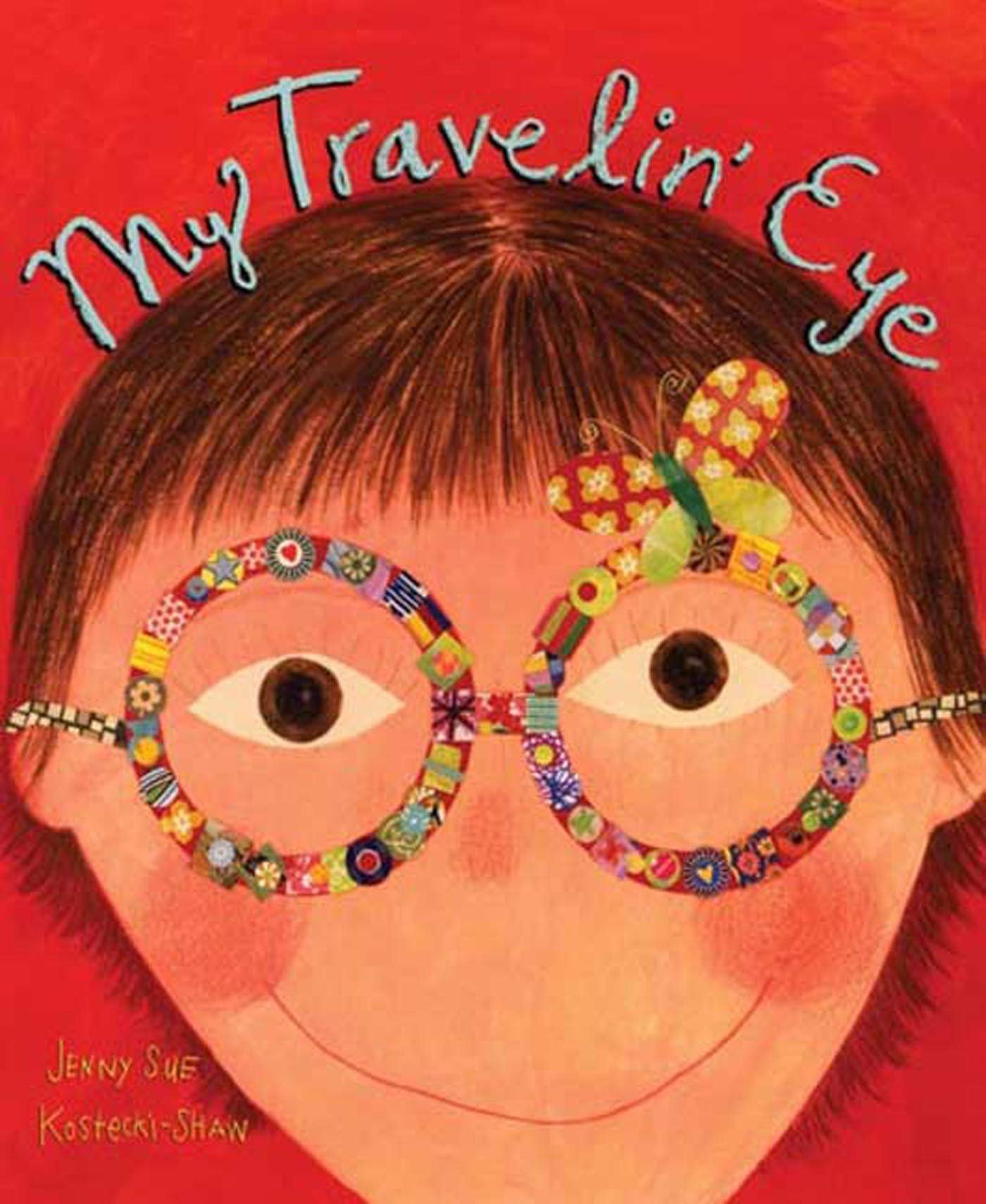
In this lesson the teacher will read aloud My Travelin’ Eye. This book shows from the character’s perspective what it is like to be on the receiving end of bullying and how she had to cope. As a way of coping Jenny’s mom made her special fashion eye patches. The takeaway message for students is that people who look different and have disabilities are still people in the world just like them.
Image description: Cover art for the book “My Travelin’ Eye”

The New York Times - ‘26.2 Miles Is Easy. Getting Around New York City Is Not.’ - Lesson Plan
In this lesson, students will learn why it’s easier for one athlete to win a marathon in New York than to navigate the city in a wheelchair. Then, students will evaluate the accessibility of public spaces where they live.
Image Description: "The Learning Network Teaching & Learning with the New York Times" Below the text is a photograph of Daniel Romanchuk in his racing wheelchair crossing a busy street at a crosswalk.