
Emerging America - Disability, Civic Engagement, and Government
Summary:
This unit works particularly well in a course on civics and government. The intro lesson introduces key information and can be useful to check student knowledge and experiences. Lesson 1 is essential to introduce the unit's study of disability. Lessons 2 & 3 delves into work for disability rights, including transformative legislation. In lesson 4, students apply what they have learned about civic action to research, plan, and carry out their own civic engagement project. (This lesson is also used for Grades 9-12.) Lesson 5 can stand alone or fit within the unit; it adds disability rights as an option for study of historic Supreme Court cases.
Image Description: Emerging America logo above text that reads “Grades 6-8: Disability, Civic Engagement, and Government” above a black and white photo of an ADAPT Protest c. 1990

Emerging America - Disability, Citizenship, and Civil Rights
Lesson Summary:
Lesson 1 is essential to introduce study of disability. Lesson 2 integrates disability into study of immigration. This lesson could also stand alone, or it could support a larger immigration unit. Lessons 3 & 4 work together but could also work separately. All three lessons can be taught in one grade or introduced over multiple grades.
Image Description: Emerging America logo above text that reads “Grades 4-5: Disability, Citizenship, and Civil Rights” above a black and white photo of George Veditz presenting Preservation of the Sign Language in American Sign Language. c. 1913

Emerging America - Disability and Community Leadership Unit
Lesson Summary: In lesson 1, students explore primary sources and their own experiences to become familiar with ideas about disability and ways that students, their community, and their school can support access for everyone. In lesson 2, students identify and agree to ways to make decision-making inclusive. Students discuss characteristics of good leaders using illustrated stories of disability advocates. In lesson 3, students explore a case study of disability advocacy to dig deeper into how civic leaders strengthen their communities.
All three lessons can be taught in one grade or introduced over multiple grades.
Image Description: Emerging America logo at top with text reading “Grades K-3: Disability and Community Leadership” above a black and white photo of Eleanor Roosevelt visiting children at Langford School. c.1930
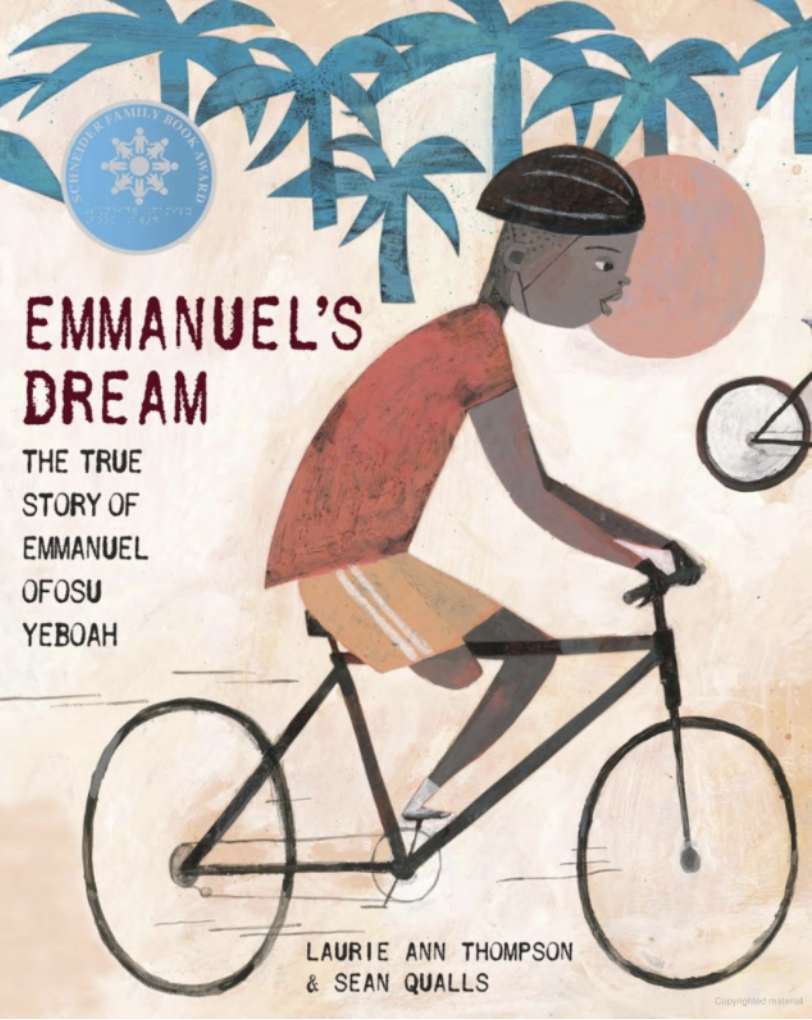
‘Emmanuel’s Dream’ Lesson Plan
Students will read ‘Emmanuel’s Dream’ by Laurie Ann Thompson, the true story of Emmanuel, a boy from Ghana who could only use one leg. Students will then complete a worksheet with a blank tshirt on it where they will write a word or phrase about how they are different but they are proud of that difference.
Image description: Cover image for “Emmanuel’s Dream”
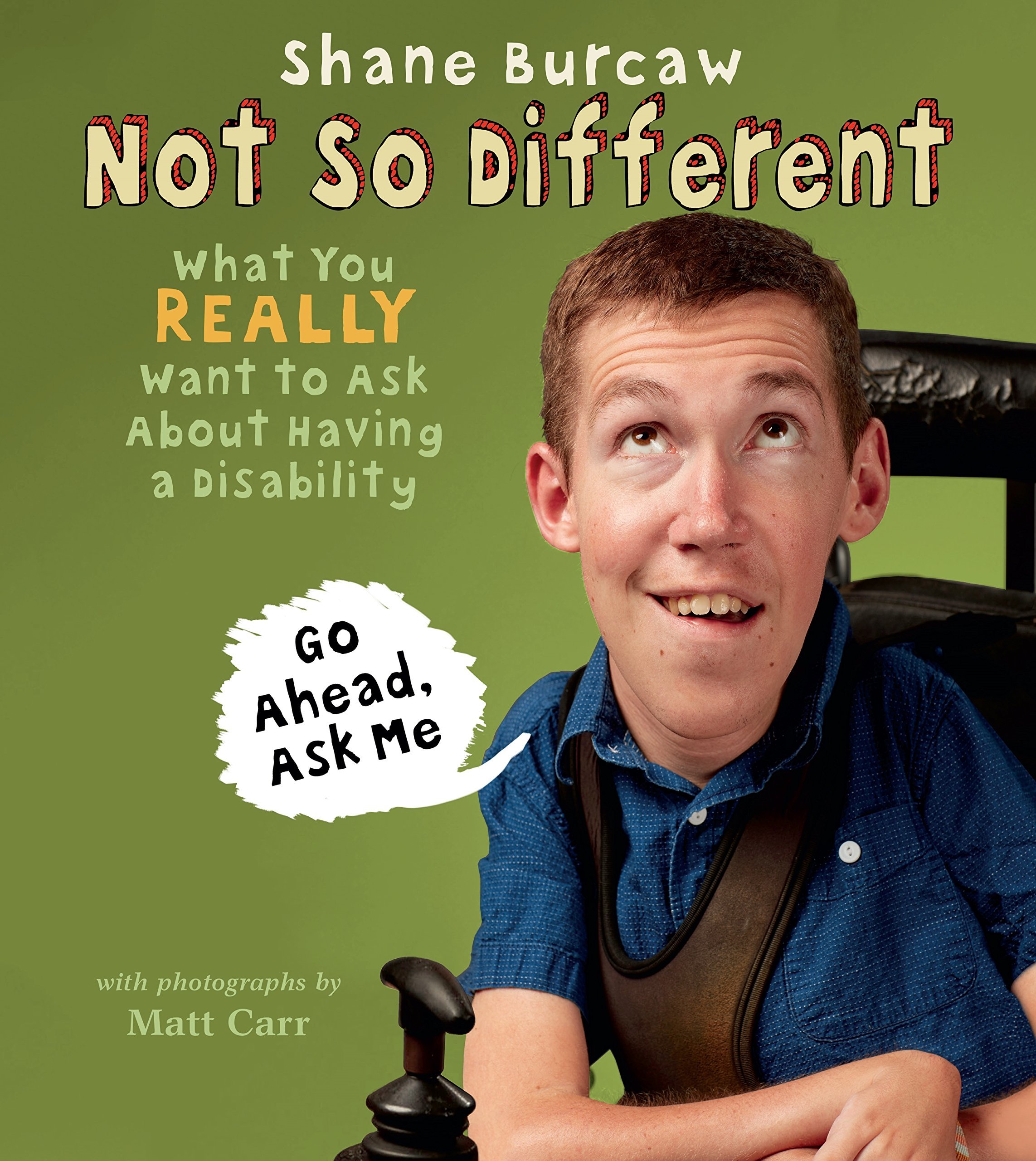
Equity is Essential: Working to Achieve Access for All Lesson
Students will read Not So Different: What You Really Want to Ask About Having a Disability by Shane Burcaw and consider what it means to have a disability, what inclusion means and how to create a more accessible world.
Image description: Cover for the book “Not So Different: What You Really Want to Ask About Having a Disability”

Everyone Spoke Sign Language - The Chilmark Deaf Community
In this lesson, students consider how people communicate when they do not speak a common language. The Chilmark Deaf Community serves as a case study to engage with the wide variety of languages spoken on the Island (presently and in the past). From 1694 to 1952, Martha’s Vineyard - and specifically the towns of Chilmark and West Tisbury - had an unusually large population of people with hereditary deafness. As a result, the residents of the Island developed a local dialect of sign language, used by hearing and deaf people alike, allowing the Deaf community full and unbiased integration into Island society at large. Scientists and researchers studying the causes of deafness took great interest in Martha’s Vineyard because of deafness’ prevalence there.
Image Description: A mural with 4 simplistic cartoon-style characters drawn in black on a light tan background using sign language, movements are shown with arrows. There is foliage at the bottom and a brick wall at the top of the photograph.

Exploring Nancy Polette’s “The Spy with the Wooden Leg: The Story of Virginia Hall” with the help of a reading journal
The students will learn how to use a reading journal to aid their exploration of a biography “The Spy with the Wooden Leg: The Story of Virginia Hall” which will be read as a class and individually. This reading will be slow in order to help support students’ discovering how to read, process, and reflect upon biography in the form of a chapter book and use this information to enrich their study of History. Many aspects of this lesson are flexible and can be adapted to the needs of your students.
Some themes of war may be difficult for some students, it is recommended that no new difficult content be introduced on a Friday or before a long break so that the class can have the support they need as they learn about these difficult themes.
Image Description: cover of the book “The Spy with the Wooden Leg: The Story of Virginia Hall By Nancy Polette”

Expressive Landscapes: The Art of Mary Duffy
In this lesson, students will learn about the paintings of Mary Duffy, a multidisciplinary artist from Ireland. Mary paints expressive landscapes, often inspired by the seashores. In this lesson, students will review her paintings, and be invited to create 2 pieces of artwork inspired by different elements of Mary Duffy’s practice. One will be done in the classroom, and a second will be done in nature, with direct observation (this may be assigned as homework, depending on the weather). Students will also be invited to reflect about issues of accessibility related to nature exploration and disabled people.
Image Description: A photo of Mary Duffy painting a canvas at the beach. She is seated, wearing a red dress, using her feet to paint the canvas in front of her on a short easel. The text “Expressive Landscapes: The Art of Mary Duffy” is at the top of the image.

The Fight for Disability Rights Lesson by Junior Scholastic
A lesson plan based on the Scholastic article “The Fight for Disability Rights,” where students learn about the Americans with Disabilities Act.
Image Description: Junior Scholastic logo above text “The Fight for Disability Rights” and a photo of Judy Heumann speaking at a rally in 1977. She is wearing a big round button that says “Sign 504”
FDR Hiding his Disability Lesson
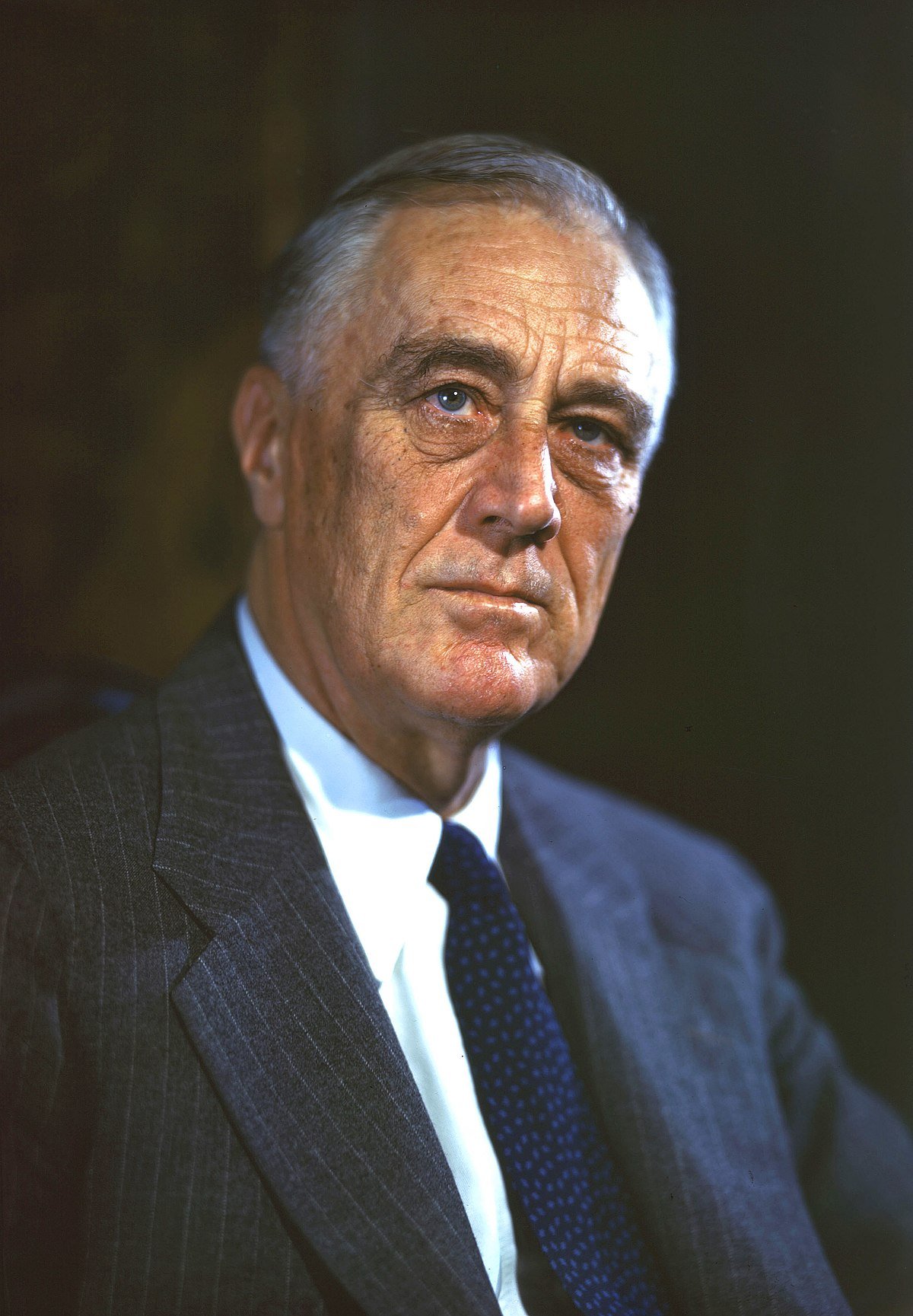
Students will engage in discussion about the Stigma associated with disability. They will then learn about FDR and how illness made him lose the ability to fully walk. They will then learn about how FDR, the people around him, and the press worked to keep his disability as secret as possible. This will lead to a discussion about the impact of his decision to hide his disability, and how taking a prideful approach to his disability could have changed how people perceived him and others with disabilities.
Image description: photograph of Franklin D. Roosevelt
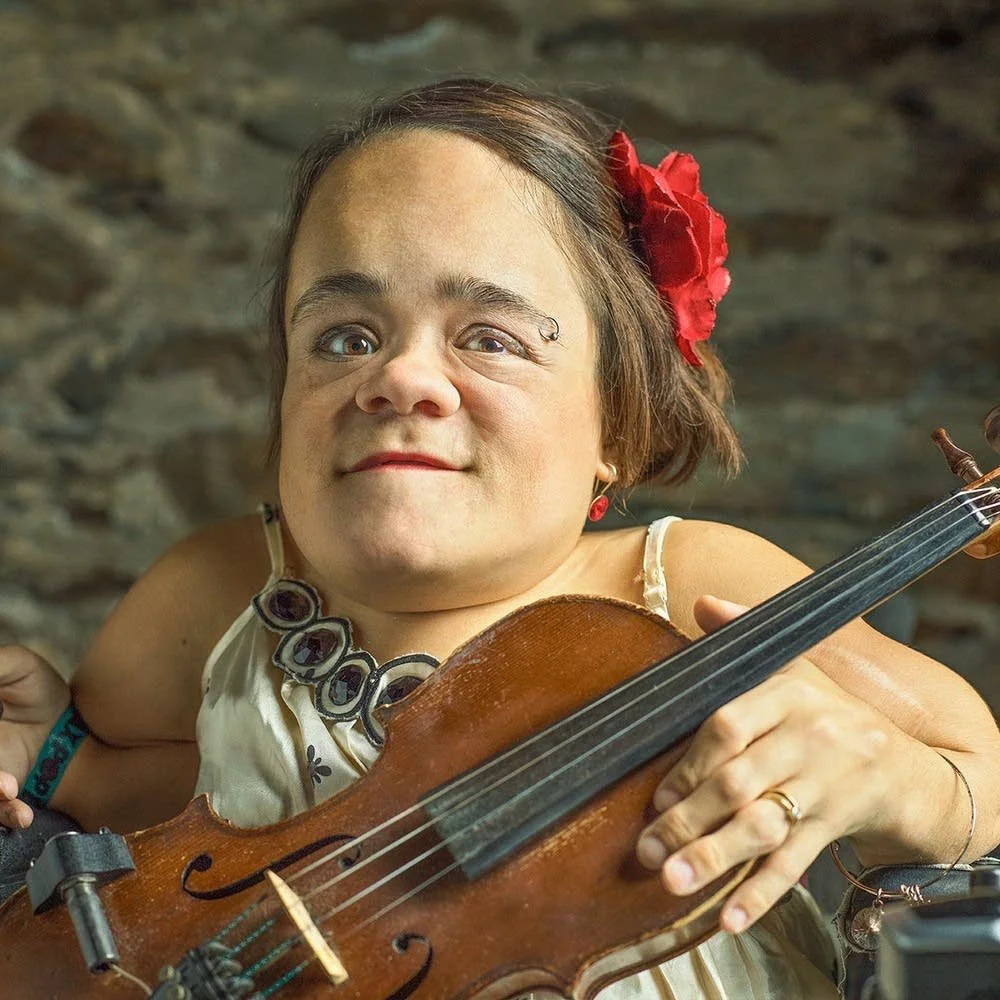
Gaelynn Lea Music Lessons by Your Classical Class Notes / Minnesota Public Radio and Gaelynn Lea
Gaelynn Lea is a violinist, singer, and songwriter from Duluth, Minnesota. These free resources from YourClassical Class Notes use her music and practice as the basis for K-6 music lessons on songwriting, instrument technique, and music technology. A disability-informed teaching note follows the resource descriptions below.
Image Description: Photo of Gaelynn Lea holding her violin diagonal across her body.
The Giver: Disability Informed Reading Guide
The Giver: Disability Informed Reading Guide
Image Description: “The Giver: Disability Informed Reading Guide” pale yellow background with black text. Simple black book with white pages graphic.

Global Development of Disability Rights: Timeline and Maps
High school students will explore the development of disability rights within various countries and time periods. Working together in groups, students will select a country of focus. Each group will collaborate to create timelines and maps, trace key events, legislation, and influential figures surrounding disability in their country.
This lesson fosters a deeper understanding of how geographical and historical contexts have shaped the accessibility and inclusion of people with disabilities. Through research and analysis of primary and secondary sources, students will develop their skills in historical inquiry and geographical interpretation, while gaining a comprehensive view of the global disability rights movement.
Image Description: blue accessible icon on a cloud background with a blue and green globe in the center of the wheelchair’s wheel.

Happy Paintings - The Art of Maud Lewis
In this lesson, students will learn about the art of Maud Lewis, a prolific Canadian folk artist who lived in rural Nova Scotia (Eastern Canada, near the Atlantic Ocean), and worked in the mid-20th century. She is now believed to have been born with juvenile rheumatoid arthritis, but it was not diagnosed or treated in her lifetime. Students will learn about her artwork, rooted deeply in the place where she lived, and have the opportunity to keep a sketchbook for a week, and create a painting in Maud Lewis’ style that reflects their own local world. Students will also consider the complex intersections between disability, poverty and the arts that are embedded in Maud’s life story.
Image Description: a painted clam shell that features a red birdhouse in the center, surrounded by colorful flowers and two blue birds on either side. The shell is mounted on a wooden background. The artist's name, "Maud Lewis," is visible on the shell.
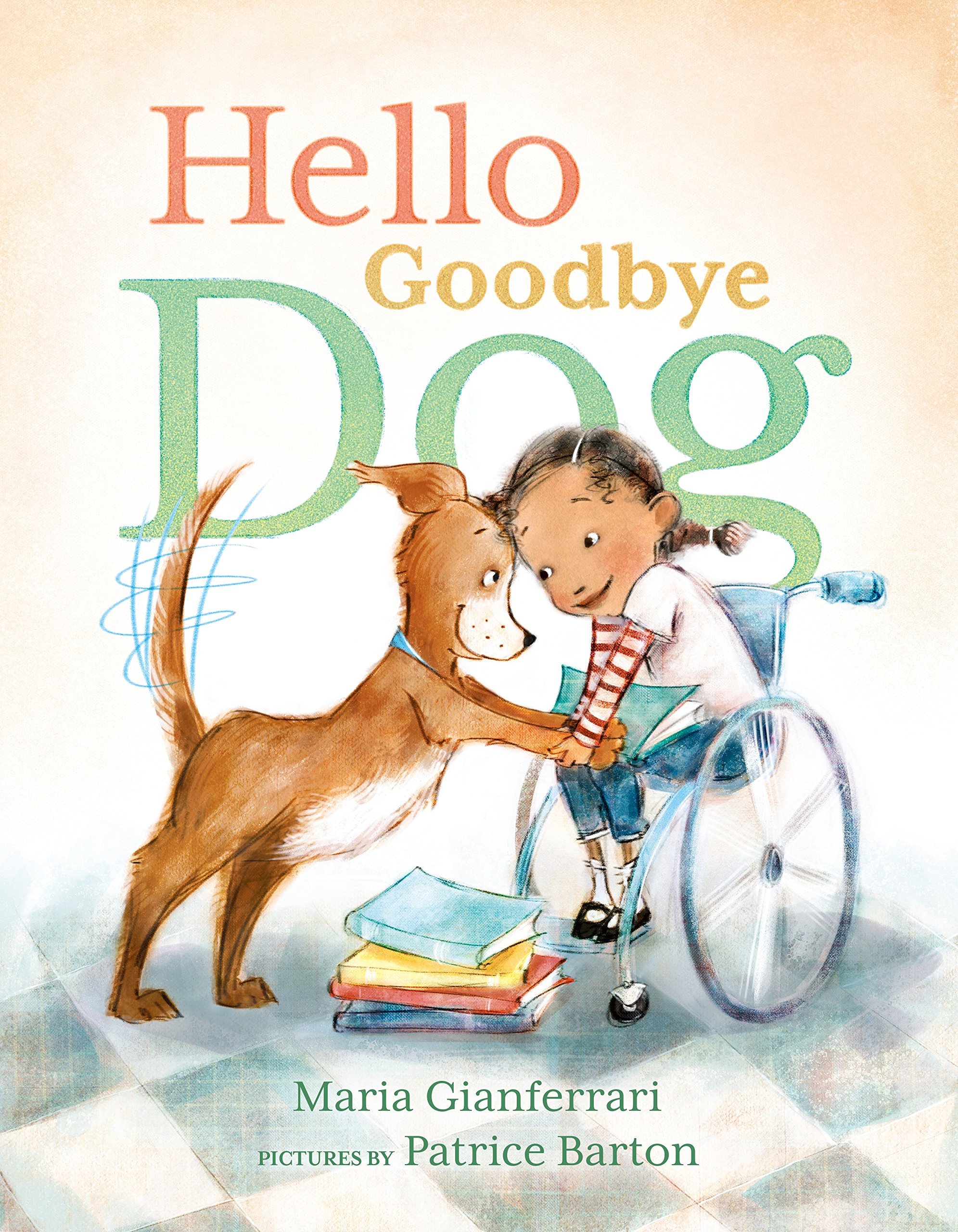
Hello Goodbye Dog: Reading about Service/Therapy Dogs and their Important Jobs
Students read Hello Goodbye Dog by Maria Gianferrari and read a short article about how a shelter dog helped a boy with epilepsy to live a safer and more fulfilling life.
Image description: Cover art from the book “Hello Goodbye Dog”

Hephaestus - Greek Mythology
Students will read about Hephaestus. After reading each passage, they will be able to reflect and write about how Hephaestus is portrayed in that specific passage. Using evidence from each passage, the students must justify their opinions.
Image description: Statue of Hephaestus
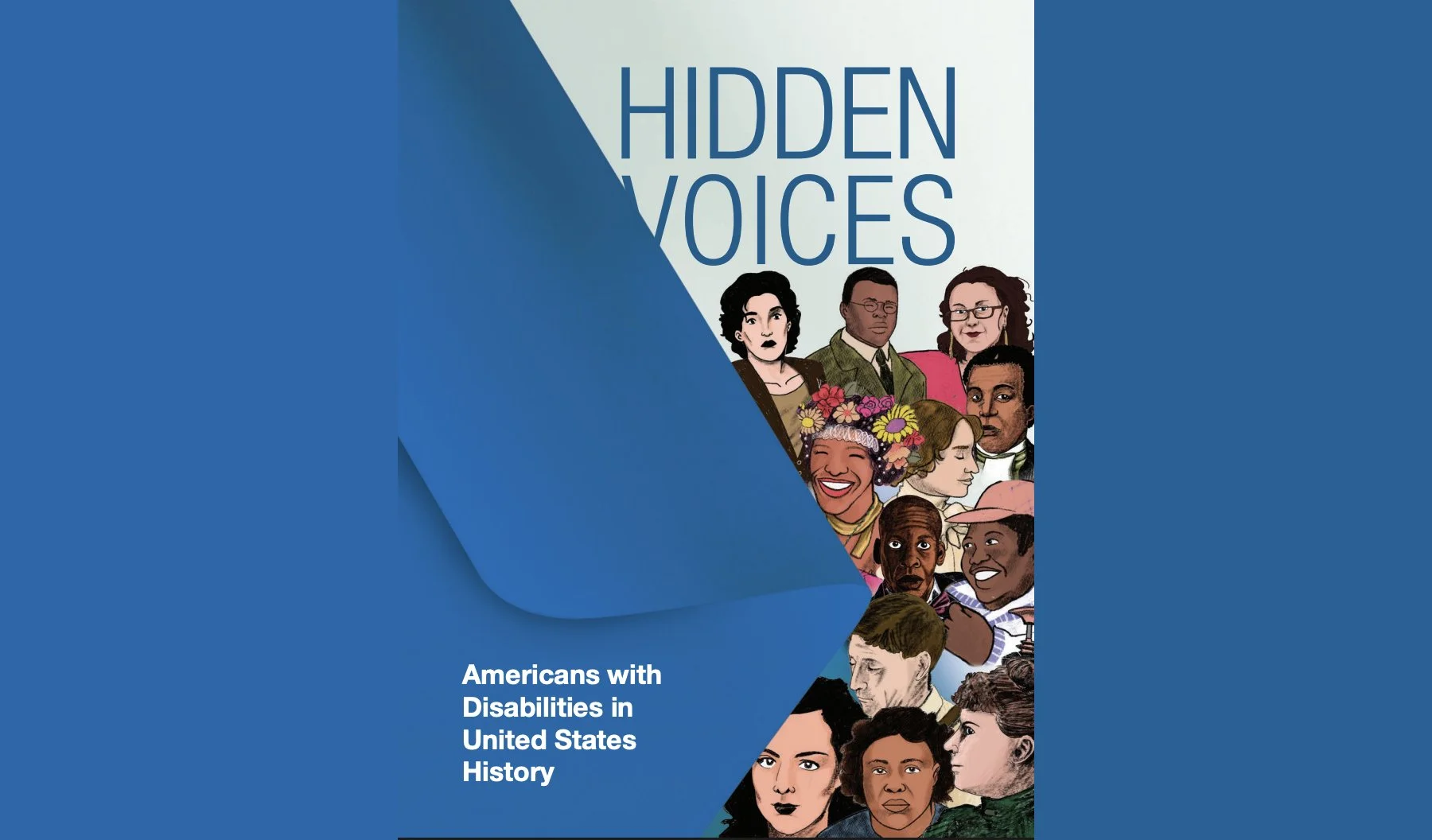
Hidden Voices: Americans with Disabilities in United States History
Hidden Voices: Americans with Disabilities in United States History introduces students to the often-overlooked contributions of Americans with disabilities throughout U.S. history. Through 42 biographical profiles, the resource highlights diverse experiences and impacts on social, political, cultural, and economic life. Each profile includes questions, images, curriculum connections, and resources to support analysis, making it adaptable across grades and subjects while fostering understanding and empathy.
Image Description: Text reads “Hidden Voices, Americans with Disabilities in United States History” along with a collage of illustrated portraits of people
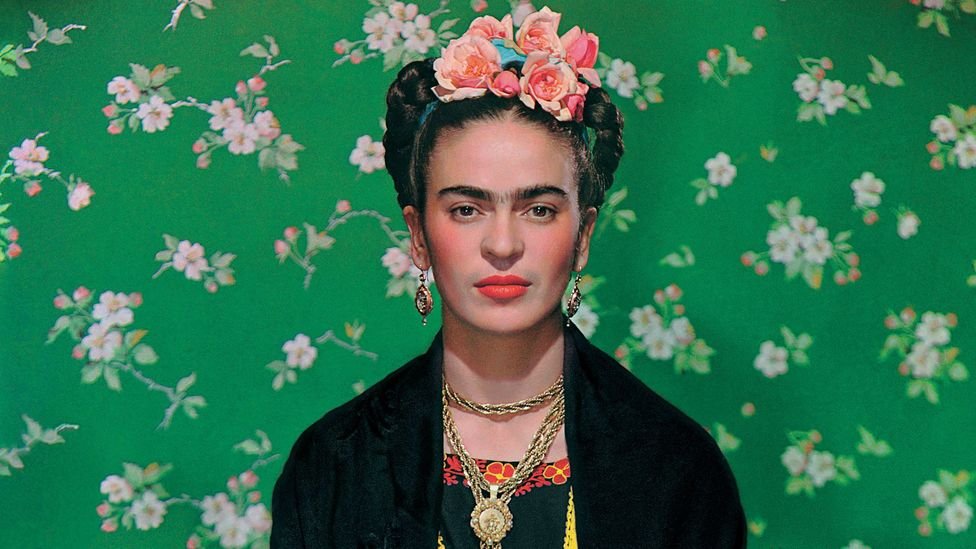
Hispanic Heritage: Frida Kahlo (Intersectionality of Ableism, Creativity and Feminism) Lesson
Frida Kahlo (1907 - 1954) was a Mexican artist who was influenced by the Mexican Revolution. She experienced a disability at two times in her life. Her determinism helped her cope with the pain of overcoming polio, a difficult marriage and bus-trolley accident. Frida Kahlo’s curiosity and love for nature were often the subjects of her paintings. Known as the “mother of the selfie,” Frida also created more than 200 paintings of herself. This unit of lessons is to recognize the creativity and imagination of Frida Kahlo.
Image description: Photograph of Frida Kahlo against a green floral background

History of Eyeglasses: The Importance of Adaptive Equipment
In this lesson, students will learn about science, history and geography related to eyeglasses. First, they will consider the history of eyeglasses, their impact on vision impairments, and how they are so widespread in America (and other high-income countries) that wearing them is rarely considered to indicate a vision issue; in fact, they are often fashion statements. Then they will explore how access to glasses differs around the world, specifically considering barriers that prevent access. Finally, they will choose their own adaptive device (a list of ideas is provided, but students are welcome to choose their own), and create an infographic that explains: the important benefits to widespread usage of their chosen device, current barriers, and suggest possible solutions.
Image Description: “History of Eyeglasses: The Importance of Adaptive Equipment” in black text on a light green box. On all sides is about a dozen black eyeglasses scattered on a white background.

How to be a Kind Helper Lesson
This lesson teaches students the qualities of being a Kind helper and how to put them into practice. Students will listen to a person with a disability and their personal assistant about what it means to be a Kind helper. After the talk, students will have a chance to ask questions about helping. Students will learn that open communication is key to a Kind helper relationship. Students will learn that a person with a disability can live full productive lives with the help of their personal attendant.
Image description: 9 raised hands with the words “How to be a Kind Helper”