
Interdependence Lesson
This lesson will help students understand that we are all interdependent on each other.
Image description: stones leaning against one another forming an arch
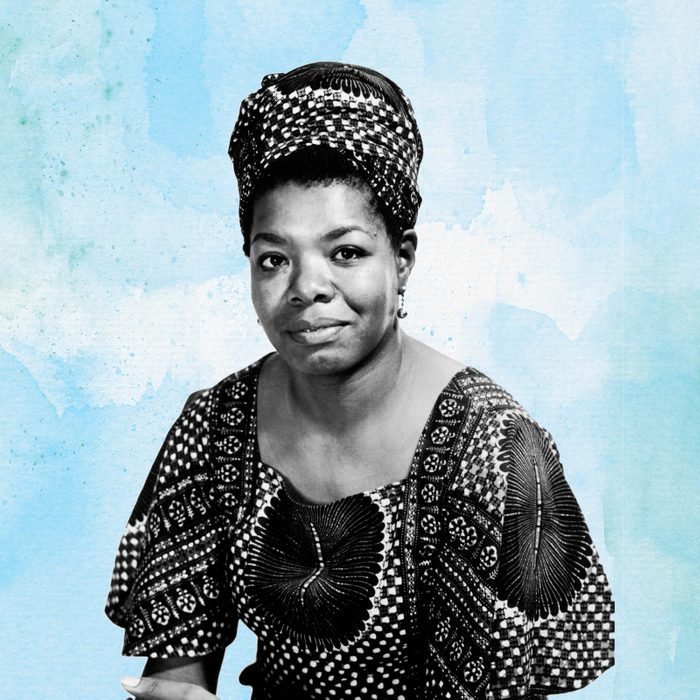
Maya Angelou Lesson
In this read-aloud of a picture book version of Maya Angelou’s “Life Doesn’t Frighten Me”, students will learn about and discuss fear, what it means to be brave, and how to cope when feeling scared. Students will learn about Maya Angelou and selective mutism, which is an anxiety disorder that Maya Angelou experienced for 5 years during adolescence.
Image description: Sketch of Maya Angelou
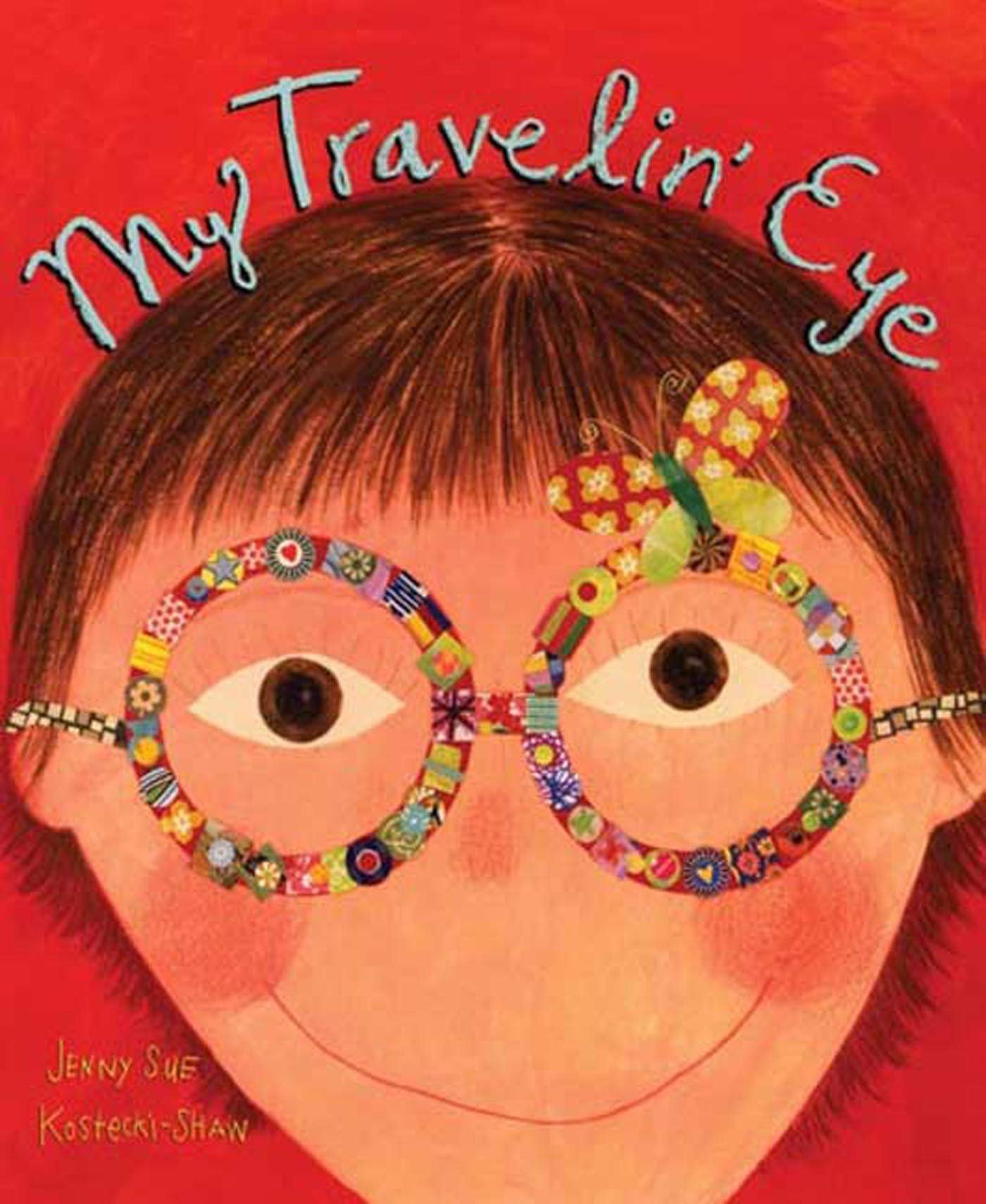
My Travelin’ Eye Lesson Plan
In this lesson the teacher will read aloud My Travelin’ Eye. This book shows from the character’s perspective what it is like to be on the receiving end of bullying and how she had to cope. As a way of coping Jenny’s mom made her special fashion eye patches. The takeaway message for students is that people who look different and have disabilities are still people in the world just like them.
Image description: Cover art for the book “My Travelin’ Eye”

The New York Times - ‘26.2 Miles Is Easy. Getting Around New York City Is Not.’ - Lesson Plan
In this lesson, students will learn why it’s easier for one athlete to win a marathon in New York than to navigate the city in a wheelchair. Then, students will evaluate the accessibility of public spaces where they live.
Image Description: "The Learning Network Teaching & Learning with the New York Times" Below the text is a photograph of Daniel Romanchuk in his racing wheelchair crossing a busy street at a crosswalk.

The New York Times - ‘The Hidden Image Descriptions Making the Internet Accessible’
In this lesson, students will learn about alt text, and image descriptions that help people who have low vision or are blind to use the internet. Then, they will practice using the feature.
Image Description: "The Learning Network Teaching & Learning with the New York Times" Below the text is the Mona Lisa with 3 examples of alt text descriptions from Microsoft Word, Facebook and Wikipedia.

One Out of Five lesson series
The purpose of this lesson is to humanize the experience of disability by focusing on student-voice videos, recognize diversity within the disability community, and discuss ways to promote accessibility. This is the first in a series of 5 lessons by Washington State’s One Out of Five Disability History and Pride Project.
Image Description: Groups of students sit and stand, talking in clusters. The profiles of the students of different ages, races, and abilities is on a colorful background of yellow, orange, and green. The dominant image is the silhouette of a male student in dark blue reading a book. The title is: One Out of Five: Disability History and Pride Project. “One” and “five” are spelled out in American Sign Language. At the bottom, Braille reads: “pride” and “history.”]

Patient No More: People with Disabilities Securing Civil Rights
Teaching the story of the 504 occupation, the focus of the Patient No More exhibit, will undoubtedly leave students with a new perspective toward living with a disability. “Patient No More” offers a story about the creativity and strength that comes out of the disability community, an incredible example of how change can happen from the bottom up. It's also a story about how disability rights have changed the lives of all Americans in ways they might not realize.
Image Description: “Patient No More - People with disabilities securing civil rights” black and white photo of protestors with capitol building in the background, many in wheelchairs, one with a sign on the back of their wheelchair that says “We Shall Overcome”
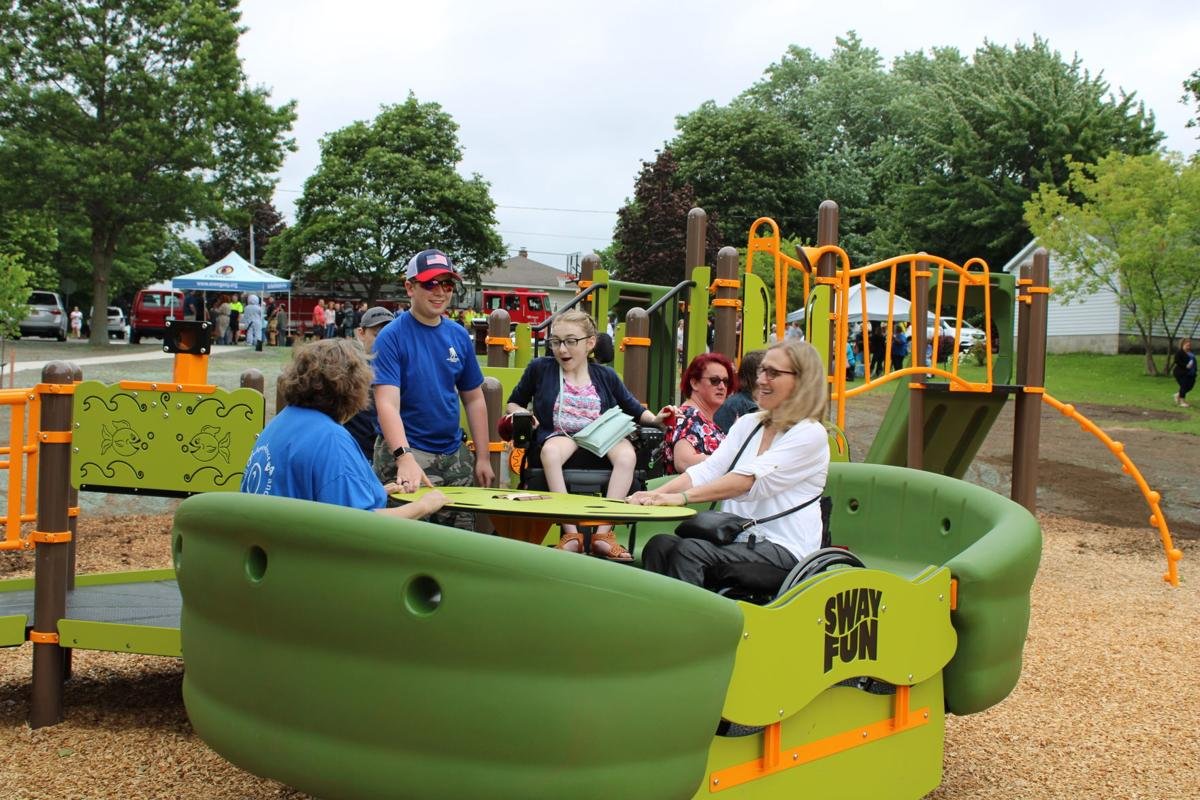
Play Map: Designing Inclusive Spaces
Students will map out where they have recess. Students will be asked to reflect on the physical accessibility of their environment (i.e. 3 steps to go from classroom to outside, playground has woodchips and a step up). They will draw out a map for their current environment and then create new map that is a inclusive play area.
Image description: wheelchair accessible playground equipment and people playing on it

Portrait of the Whole Person - Disability Rights Washington
Portrait of the Whole Person is a curriculum for elementary school students designed to teach students how disability rights fit into the broader civil rights movement, to perceive disability as a reflection of societal views of differences, and to treat people with disabilities with respect and dignity. It contains four distinct lesson plans comprised of three in-class instruction lesson plans and one lesson plan governing the research and writing of a biographical sketch and creation of a portrait of a notable person with a disability. It is also complete with a graphic organizer, rubrics, a power point, and a list of references students can use for research.
Image Description: Disability Rights Washington logo with “Portrait of a Whole Person Curriculum Overview” written below and drawings of 3 different people in colored pencil.

Simple Things Count: How can I help?
This two-session lesson engages students in exploring ways to be more inclusive of people with disabilities. Through a series of short, accessible disability voice videos, students will recognize diversity within the disability community and learn practical steps to foster inclusion. Using discussion, reflection, and interactive activities, students will examine their own discomfort, identify attitudinal barriers, and explore how small actions can create more accessible and welcoming environments.
This lesson provides a foundation for students to understand the impact of their actions and equips them with strategies to promote disability inclusion in everyday life.
Image Description: Screenshot of video titled “Simple Things Count” text also includes “Emily Ladau - Disability Rights Activist” with an illustration of Emily seated in her wheelchair

The Sneetches Lesson
Students will read/watch the story of The Sneetches by Dr. Seuss. Students will think about prejudice and bullying. Students will learn that differences are not a bad thing and that no one should have to change to please others.
Image description: Cover art from the book “The Sneetches”
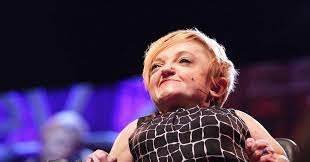
Stella Young TED Talk Lesson Plan
Students will watch Stella Young’s TED Talk where she breaks down society's habit of turning disabled people into ‘inspiration porn’” and process why disabled people are often thought to be inspirational for achieving very ordinary things. This inspiration is actually pity in disguise and they’ll discuss the implications for that idea. Students will reflect on their own perceptions of disability and how it aligns with the thoughts shared in the TED video
Image description: Photo looking up at Stella Young

Tell YOUR Story
This lesson will teach students how to give an oral presentation of a memory in their lives.
Image Description: Black text on blue and white faded background “Tell YOUR Story” pile of books with the top book fanned out
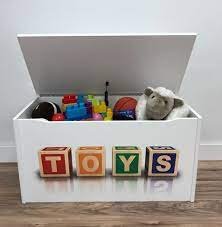
The Toy Box: Introducing Disability Lesson
In this lesson students will get to explore and examine toy and adult versions of accessibility devices. The idea is to introduce disability to students using tactile and observational learning. Students will learn that all these devices are for people with disabilities to live their lives, enjoy themselves and access the community. It is no different from the everyday tools we use throughout our lives.
Image description: a photograph or an open toy box with the word “TOYS” on the front

We Want to Go to School
Using the book "We Want to Go to School," students will learn about the segregation of students with disabilities in the school setting. They will learn about the barriers that prevented students from attending school and the progression and processes to challenge and remove those barriers.
Image Description: Cover of We Want to Go to School! The Fight for Disability Rights by Maryann Cocoa-Leffler & Janine Leffler. The cover artwork shows five children behind a table that has papers and a gavel on it.

We Will Ride Lesson by Pop Culture Classroom
In this lesson students will read a 2-page graphic novel format story about the Gang of 19 and “We Will Ride” action, and how they fought for equal rights for the disabled.
Image Description: Graphic Novel cover showing protesters in purple black and off white on a green background with the title “Colorful History Comics #31 We Will Ride” underneath the comic.
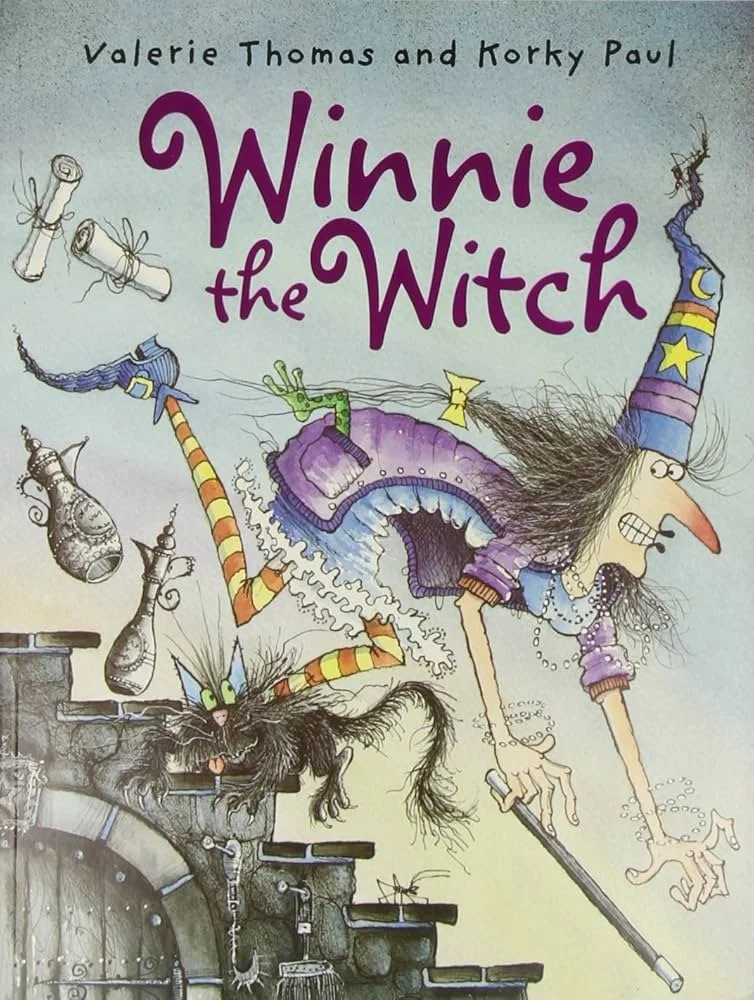
Winnie the Witch - Reading Guide and Lesson Plan that Addresses the Social Model of Disability
Students or teachers read or watch “Winnie the Witch” by Valerie Thomas and Korky Paul and consider how the story relates to the social model of disability. Students can apply what they learned about the social model, make connections, and identify events in the story where it was used.
Image Description: cover of the book "Winnie the Witch" which showed Winnie the Witch tripping over a black cat on the stairs.