Into the Woods: Exploring Disabilities in Fairy Tales and Classic Stories
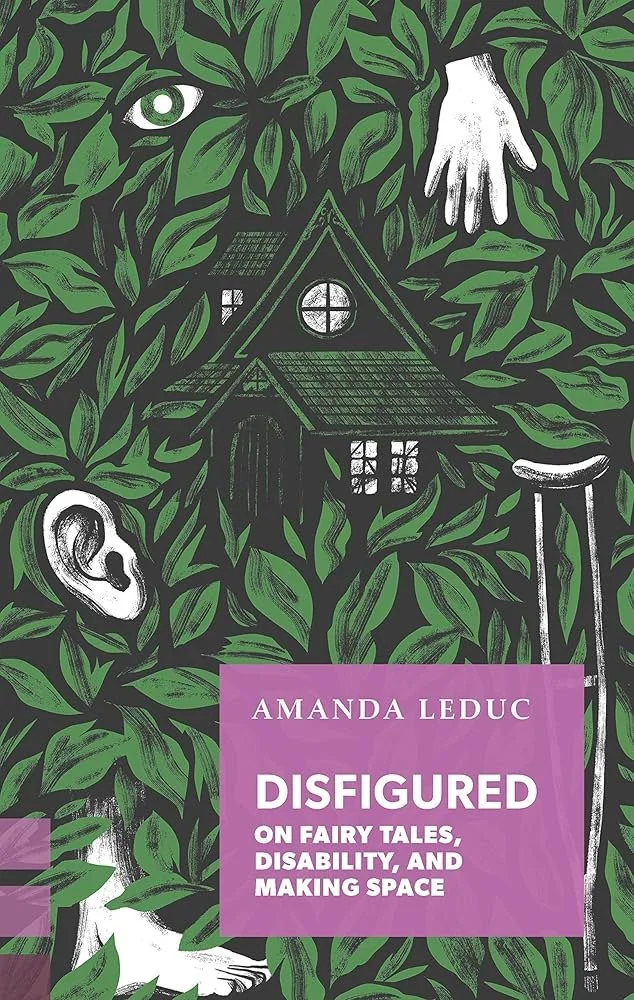
Using Amanda Leduc’s book “Disfigured: On Fairy Tales, Disability, and Making Space,” as inspiration students will consider different representations of disability in fairy tales and classic stories. They will watch an interview and a reading with Leduc, read 2 texts referenced in her book and learn to identify issues with how disabled people are presented and stereotyped. Students will produce two written assignments. One is an update to a classic story (either Beauty and the Beast or the Little Mermaid); the students will rewrite the classic tale to center and honor experiences of all bodies and abilities. The second assignment is a choice assignment. Students will either rewrite a second tale, or write a 1 page autobiographical story in the style of a fairy tale.
Image Description: The cover of the book “Disfigured: On Fairy Tales, Disability, and Making Space” by Amanda Leduc

It Feels Like Spring: How We Experience the Seasons Through Our Senses
After listening to the book, “Naomi Knows It’s Springtime” by Virginia Kroll, the students will consider how Naomi experiences springtime, and how they experience springtime with the senses they have. Then, they will further explore the tactile experience of springtime objects combined with a Math lesson.
Image description: Cover of the book “Naomi Knows It’s Springtime" showing a grassy field, someone pushing a lawnmower in the background, a girl with braided hair and a dog to her side, tail in the air, facing us seated at a garden
Maya Angelou Lesson
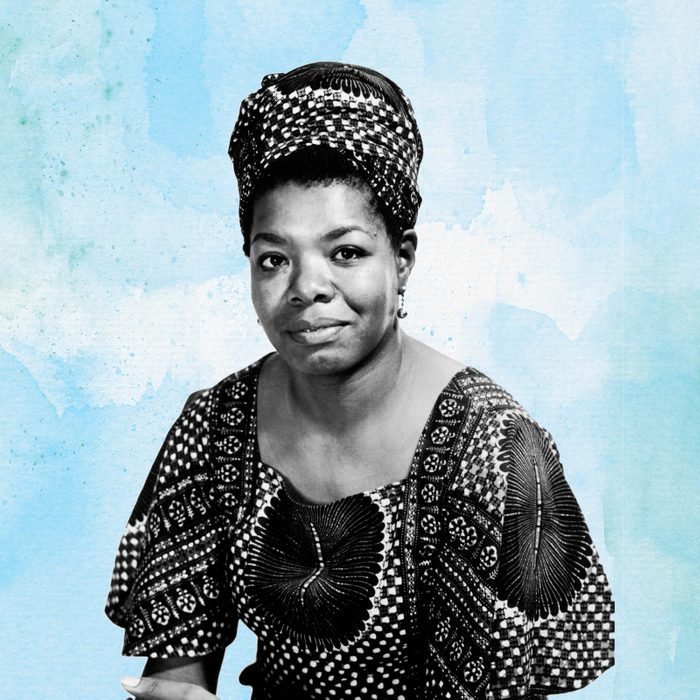
In this read-aloud of a picture book version of Maya Angelou’s “Life Doesn’t Frighten Me”, students will learn about and discuss fear, what it means to be brave, and how to cope when feeling scared. Students will learn about Maya Angelou and selective mutism, which is an anxiety disorder that Maya Angelou experienced for 5 years during adolescence.
Image description: Sketch of Maya Angelou
Me Before You: Disability-Informed Reading Guide
Me Before You: Disability Informed Reading Guide
Image Description: “Me Before You Disability Informed Reading Guide” Yellow background with black text. Simple black book with white pages graphic.
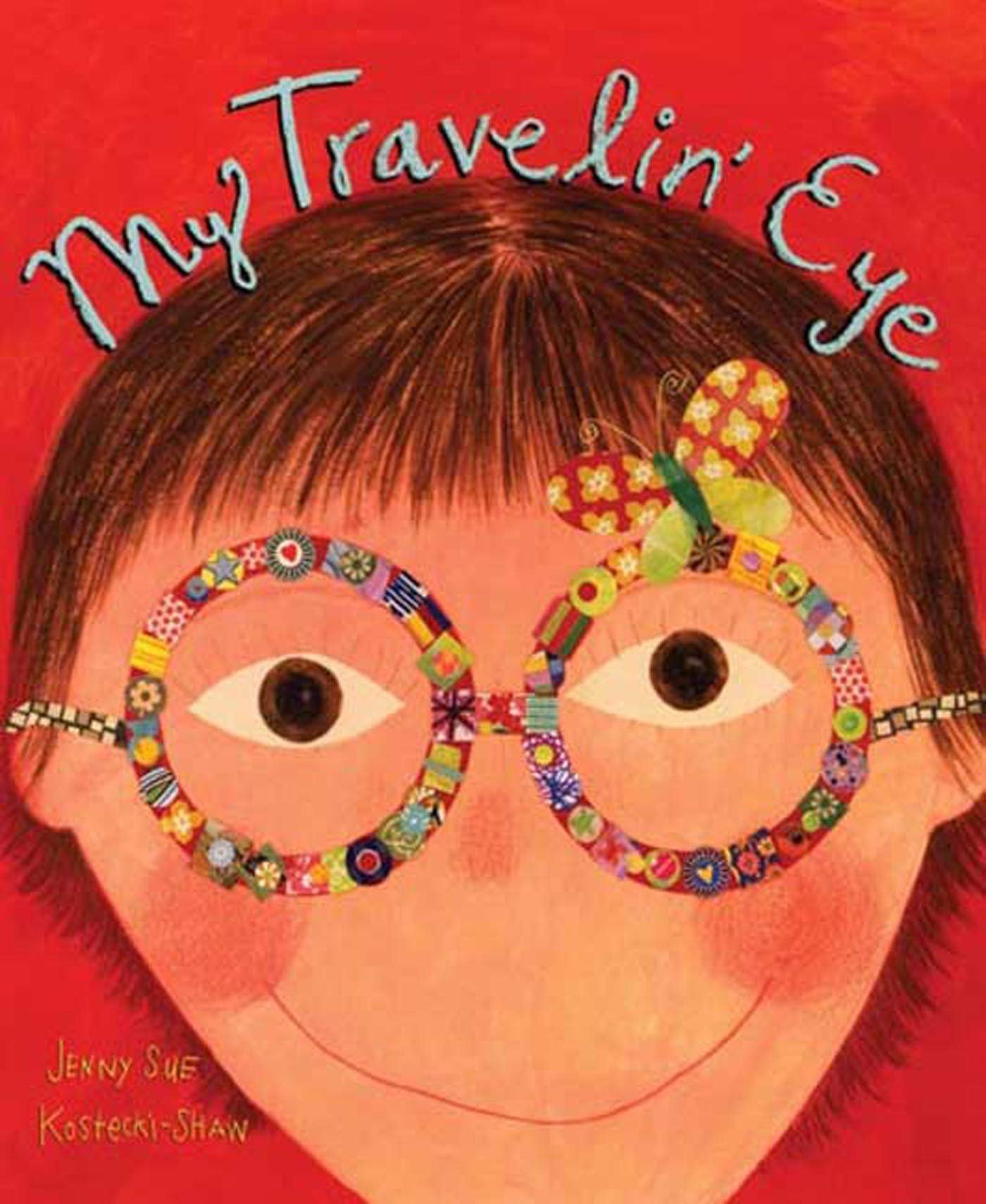
My Travelin’ Eye Lesson Plan
In this lesson the teacher will read aloud My Travelin’ Eye. This book shows from the character’s perspective what it is like to be on the receiving end of bullying and how she had to cope. As a way of coping Jenny’s mom made her special fashion eye patches. The takeaway message for students is that people who look different and have disabilities are still people in the world just like them.
Image description: Cover art for the book “My Travelin’ Eye”
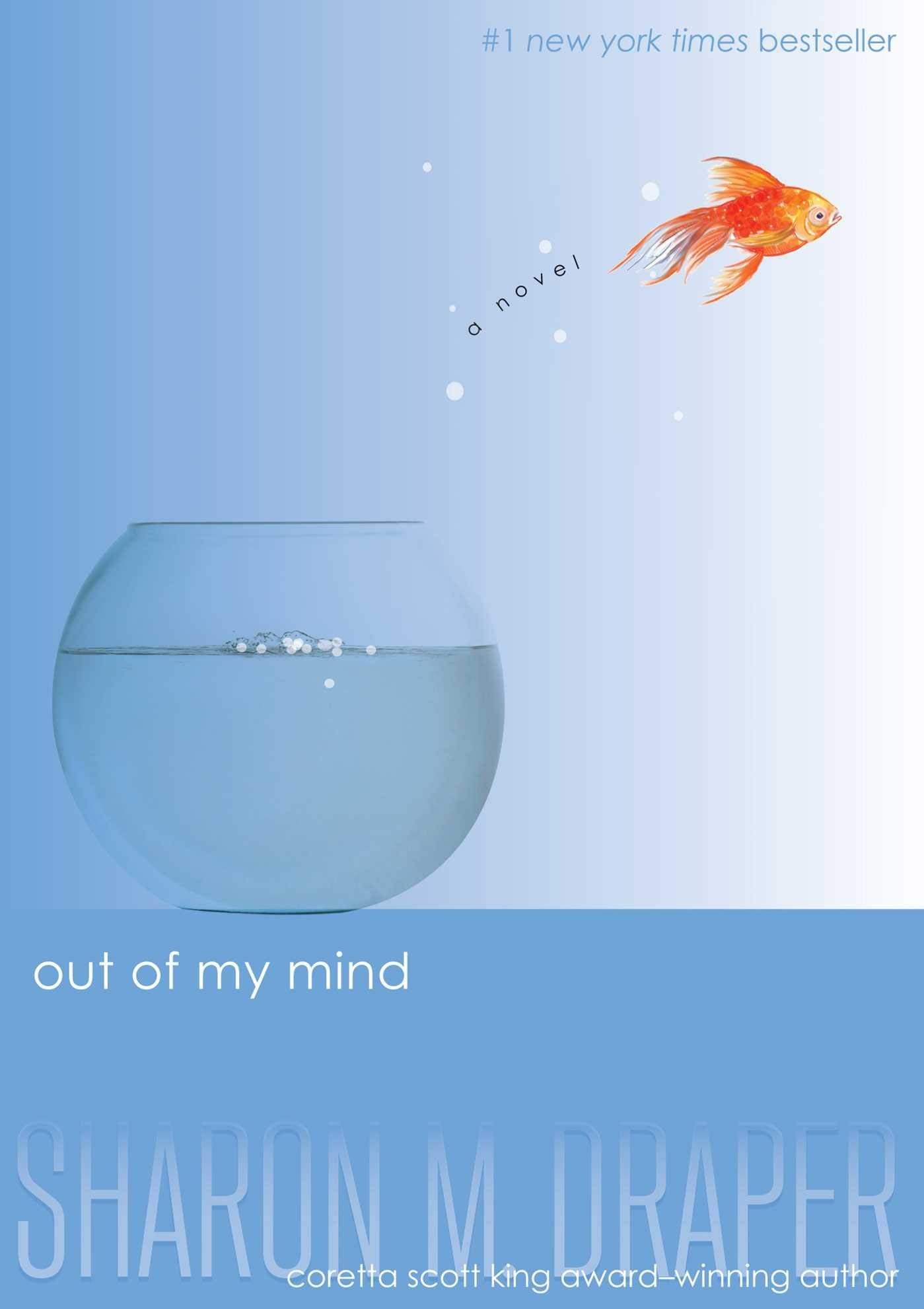
Out of my Mind - Book Discussion Guide
Out of My Mind is narrated by a girl with cerebral palsy who's very intelligent but unable to express herself by speaking or physically. When Melody is integrated into some general classes at school, many kids are purposely mean; others, including teachers, are cruel through their assumptions that Melody is incapable of understanding them. With the help of her parents and some supportive friends and teachers, Melody acquires a machine that allows her to communicate better than she ever has before (Common Sense Media). At last Melody has a voice… but not everyone around her is ready to hear it (Draper, 2010). This book discussion guide can also be adapted into a full assignment if that is more applicable for your student group.
Image description: Cover from the book “Out of My Mind”
Peter and Wendy by J. M. Barrie: Disability Informed Reading Guide
Peter and Wendy by J. M. Barrie: Disability Informed Reading Guide
Image Description: “Peter and Wendy by J. M. Barrie: Disability Informed Reading Guide” pale green background with black text. Simple black book with white pages graphic.
Richard III: Disability Informed Reading Guide
Richard III: Disability Informed Reading Guide
Image Description: “Richard III: Disability Informed Reading Guide” pale green background with black text. Simple black book with white pages graphic.

The Sneetches Lesson
Students will read/watch the story of The Sneetches by Dr. Seuss. Students will think about prejudice and bullying. Students will learn that differences are not a bad thing and that no one should have to change to please others.
Image description: Cover art from the book “The Sneetches”

Thukpa for All - Reading Guide and Lesson Plan that Addresses the Social Model of Disability
Students or teachers read Thukpa for All by Praba Ram and Sheela Preuitt and consider how the story relates to the social model of disability.
Image Description: Cover of Thukpa for All is light yellow/orange divided in 7 panels. 3 on left and 3 on right have characters from the book. The top center panel has the title of the book and a bowl of noodle soup with steam rising from it. The bottom center panel has the names of the authors and illustrator.
Titus Andronicus: Disability Informed Reading Guide
Titus Andronicus: Disability Informed Reading Guide
Image Description: “Titus Andronicus: Disability Informed Reading Guide” pale purple background with black text. Simple black book with white pages graphic.
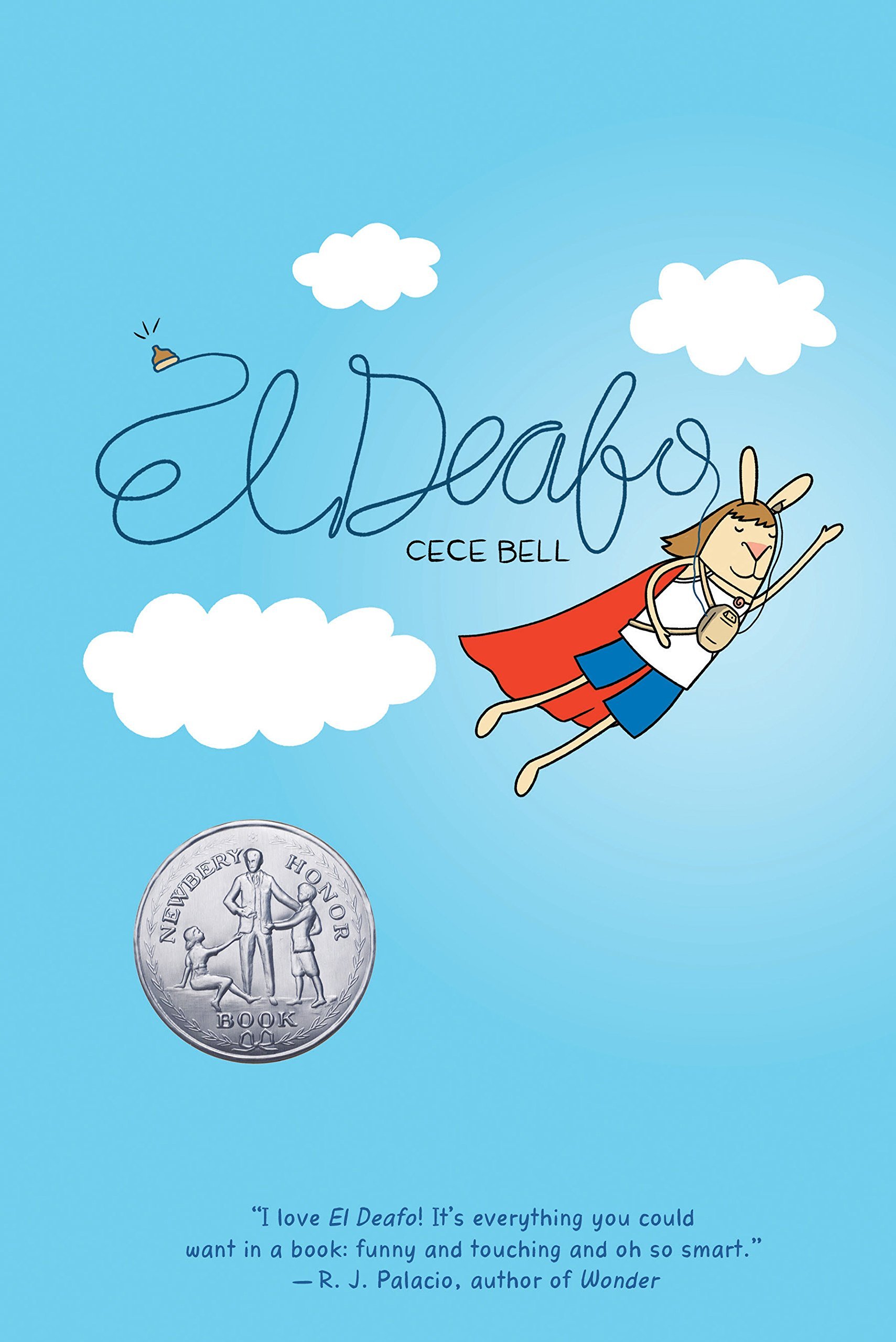
We are all Superheroes: A Theatrical Unit on “El Deafo”
This lesson is a unit of 9 classes. “El Deafo” is a graphic novel about a young girl, Cece, who becomes deaf in elementary school. The book highlights how she adjusts to her new life as she navigates her new hearing aids, communication, teachers and friendships. In each class students will read the parts of each character like they are reading for a play rehearsal. Encourage students to really embody their characters, gesturing, facial expressions and standing up (if possible). This lesson encourages students to feel empathy because each discussion highlights the feelings of characters. Each class is split up into a discussion and a reading.
Image description: Cover art for the book “El Deafo”

We Want to Go to School
Using the book "We Want to Go to School," students will learn about the segregation of students with disabilities in the school setting. They will learn about the barriers that prevented students from attending school and the progression and processes to challenge and remove those barriers.
Image Description: Cover of We Want to Go to School! The Fight for Disability Rights by Maryann Cocoa-Leffler & Janine Leffler. The cover artwork shows five children behind a table that has papers and a gavel on it.
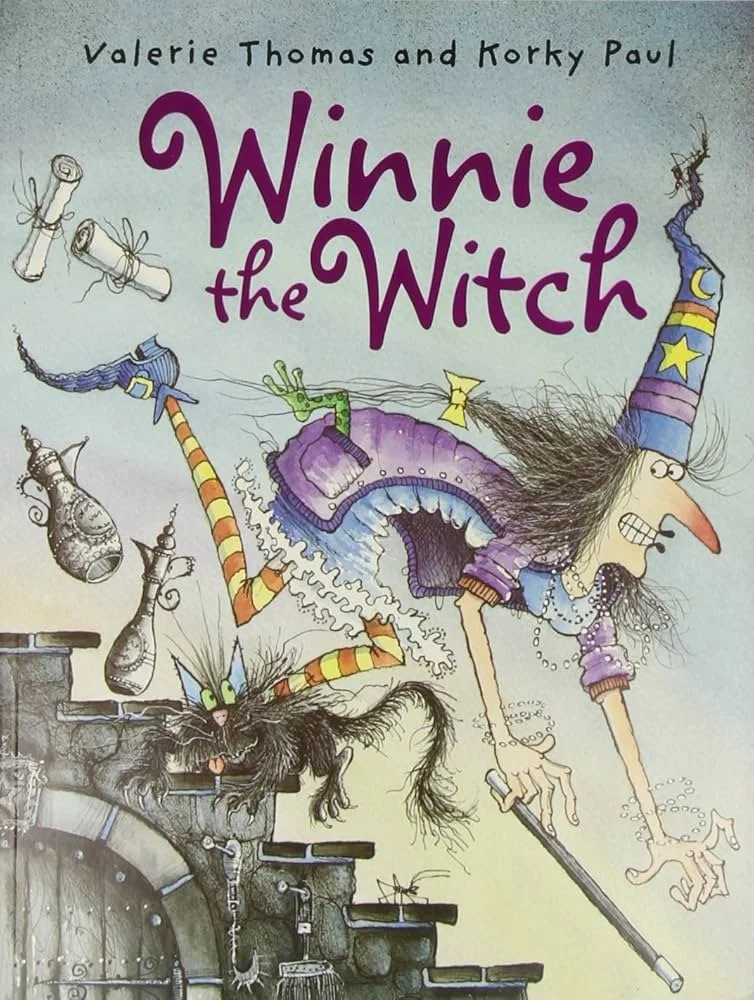
Winnie the Witch - Reading Guide and Lesson Plan that Addresses the Social Model of Disability
Students or teachers read or watch “Winnie the Witch” by Valerie Thomas and Korky Paul and consider how the story relates to the social model of disability. Students can apply what they learned about the social model, make connections, and identify events in the story where it was used.
Image Description: cover of the book "Winnie the Witch" which showed Winnie the Witch tripping over a black cat on the stairs.
The Wonderful Wizard of Oz: Disability Informed Reading Guide
The Wonderful Wizard of Oz: Disability Informed Reading Guide
Image Description: “The Wonderful Wizard of Oz: Disability Informed Reading Guide” pale yellow background with black text. Simple black book with white pages graphic.